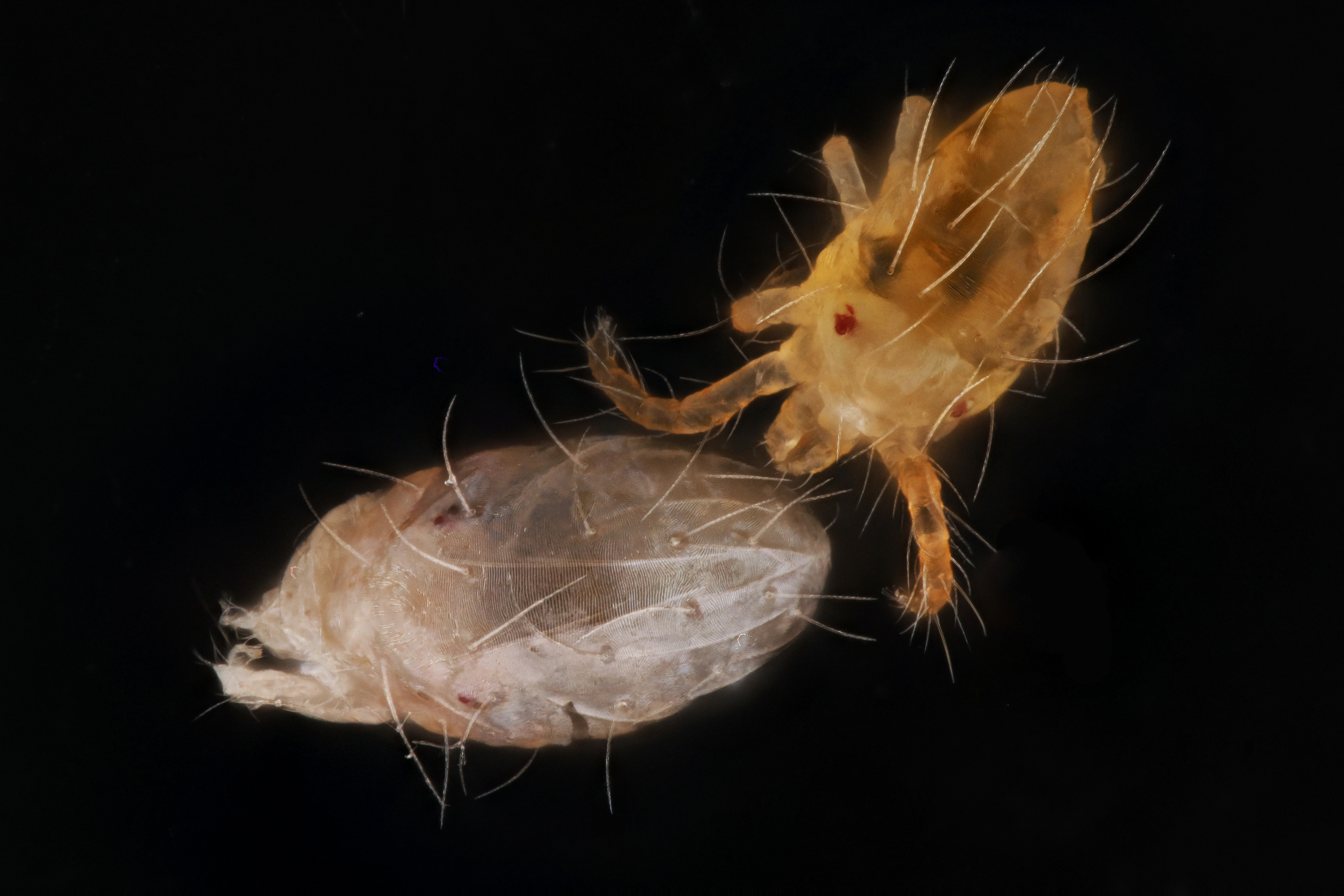
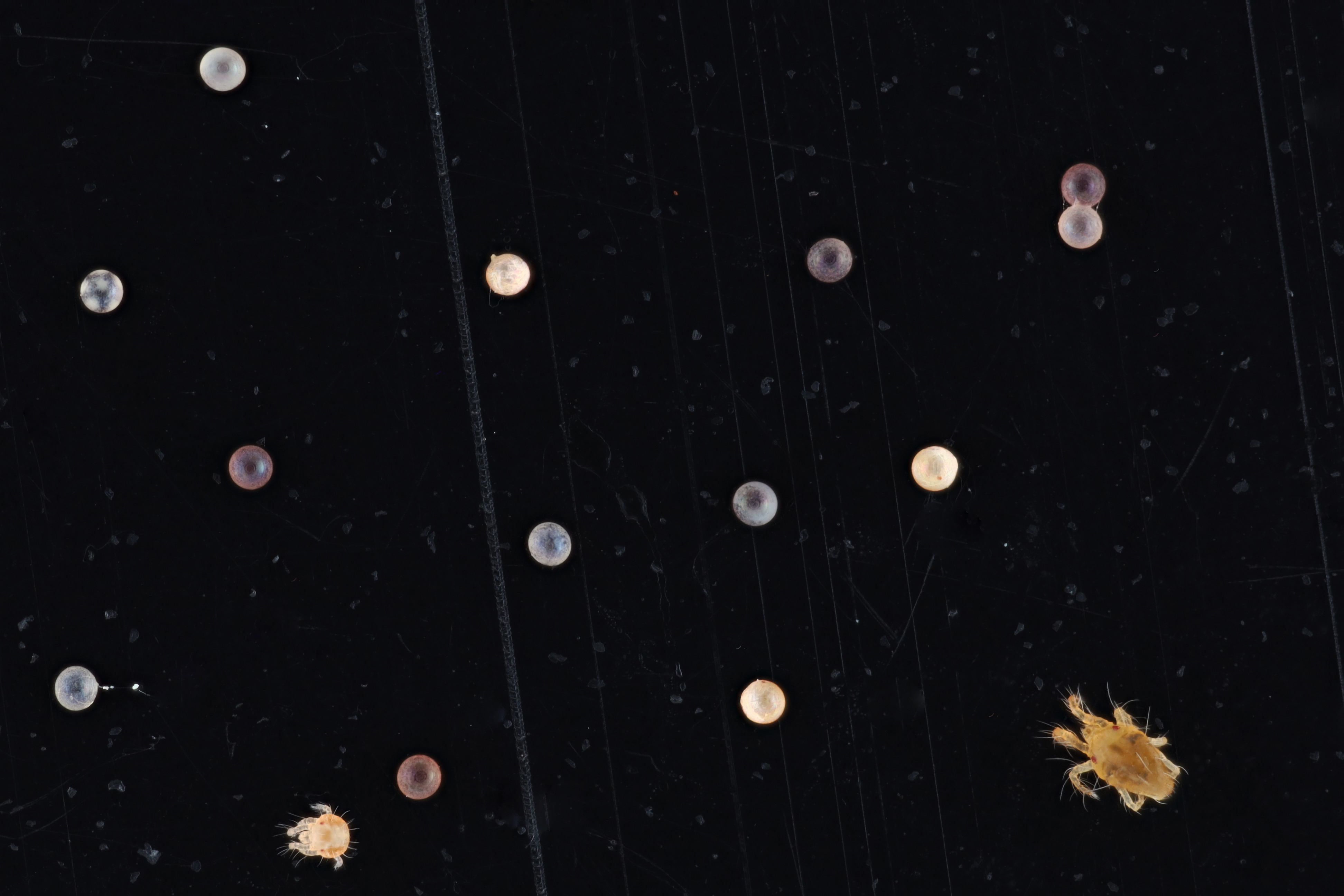
An egg of Amblyseius herbicolus
Mites belong to the subclass Acari, a diverse group of arachnids that includes both free-living and parasitic species found in nearly every habitat on Earth.
These photos showcase the remarkable diversity of mites, highlighting their morphology and adaptations across different environments.
- Acarifomes
- Sarcoptiformes
- Trombidiformes
- Parasitiformes
- Mesostigmata
Acaridae. The family includes many species adapted to diverse environments, ranging from stored products to soil and decomposing organic matter. Many members of this family exhibit rapid reproduction and high tolerance to various environmental conditions.
The mould mite Tyrophagus putrescentiae (Schrank, 1781) thrives in humid environments and feeds primarily on fungi, mould, and decomposing organic matter. While it is often found in stored products like grains, cheese, and dried fruits, it can also infest agricultural and industrial settings. In addition to being a potential pest in food storage, T. putrescentiae serves as a food source for certain predatory mites, making it useful in the mass rearing of biological control agents.
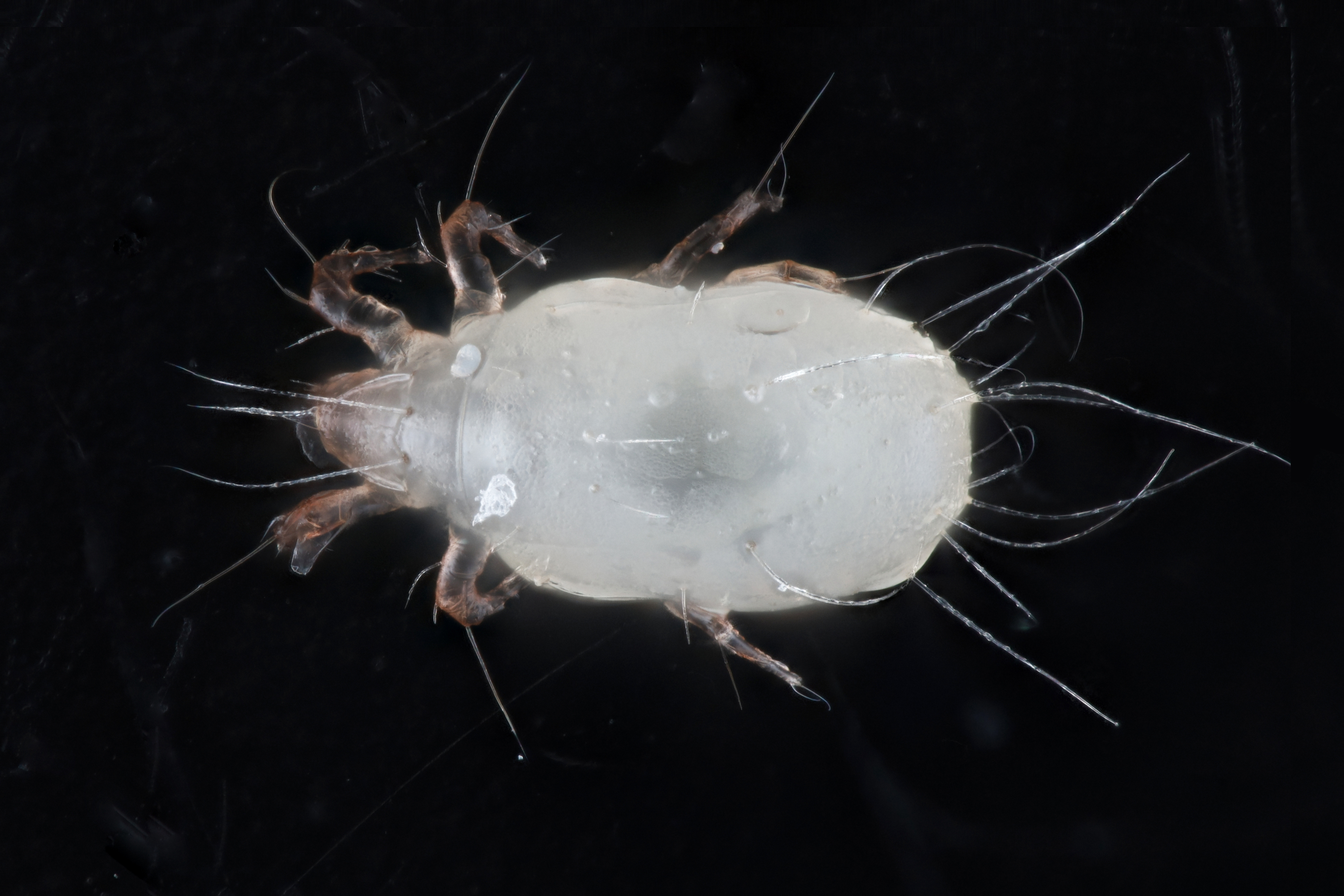
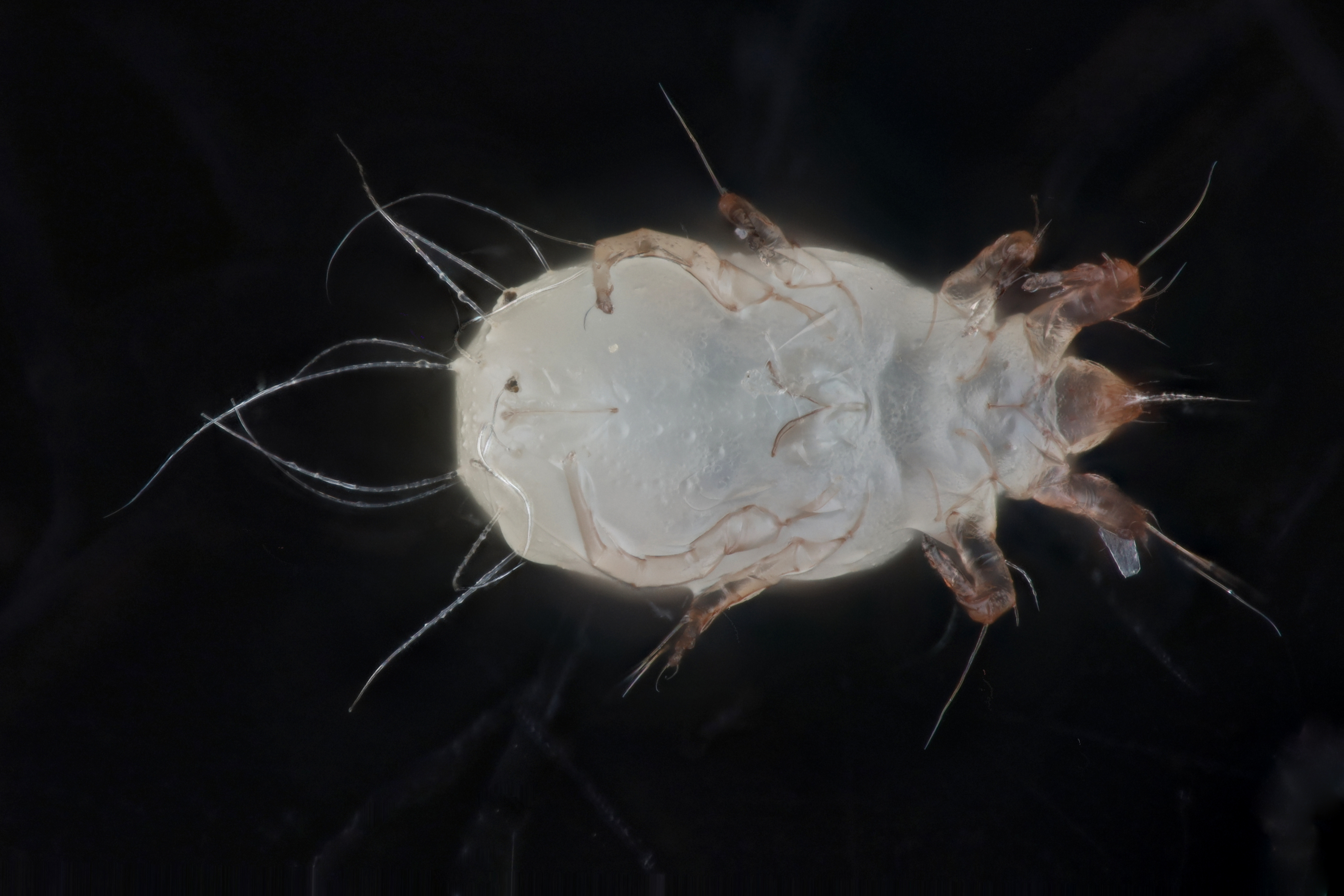
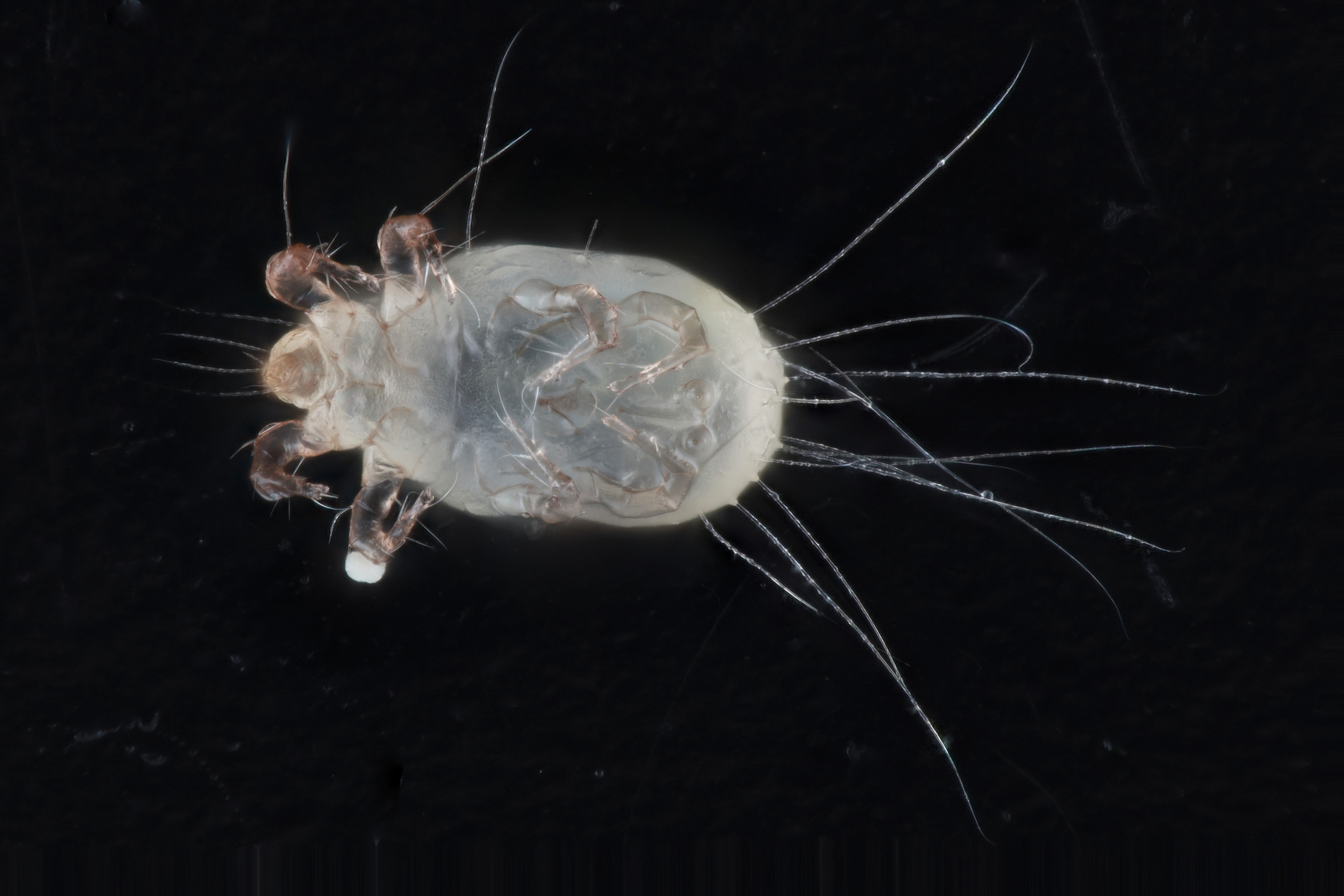

Winterschmidtiidae. This family comprises more than 140 described species with diverse lifestyles, including fungivorous, saprophagous, predatory, and parasitic forms, occurring worldwide in insect and vertebrate nests, decaying organic matter, soils, and on plants.
Czenspinskia transversostriata (Oudemans, 1931) is a widely distributed, plant-dwelling fungivore. It reproduces via thelytoky, lacks a heteromorphic deutonymphal stage, and dispersal is presumed to occur through other life stages (larva, protonymph, tritonymph, or adult).
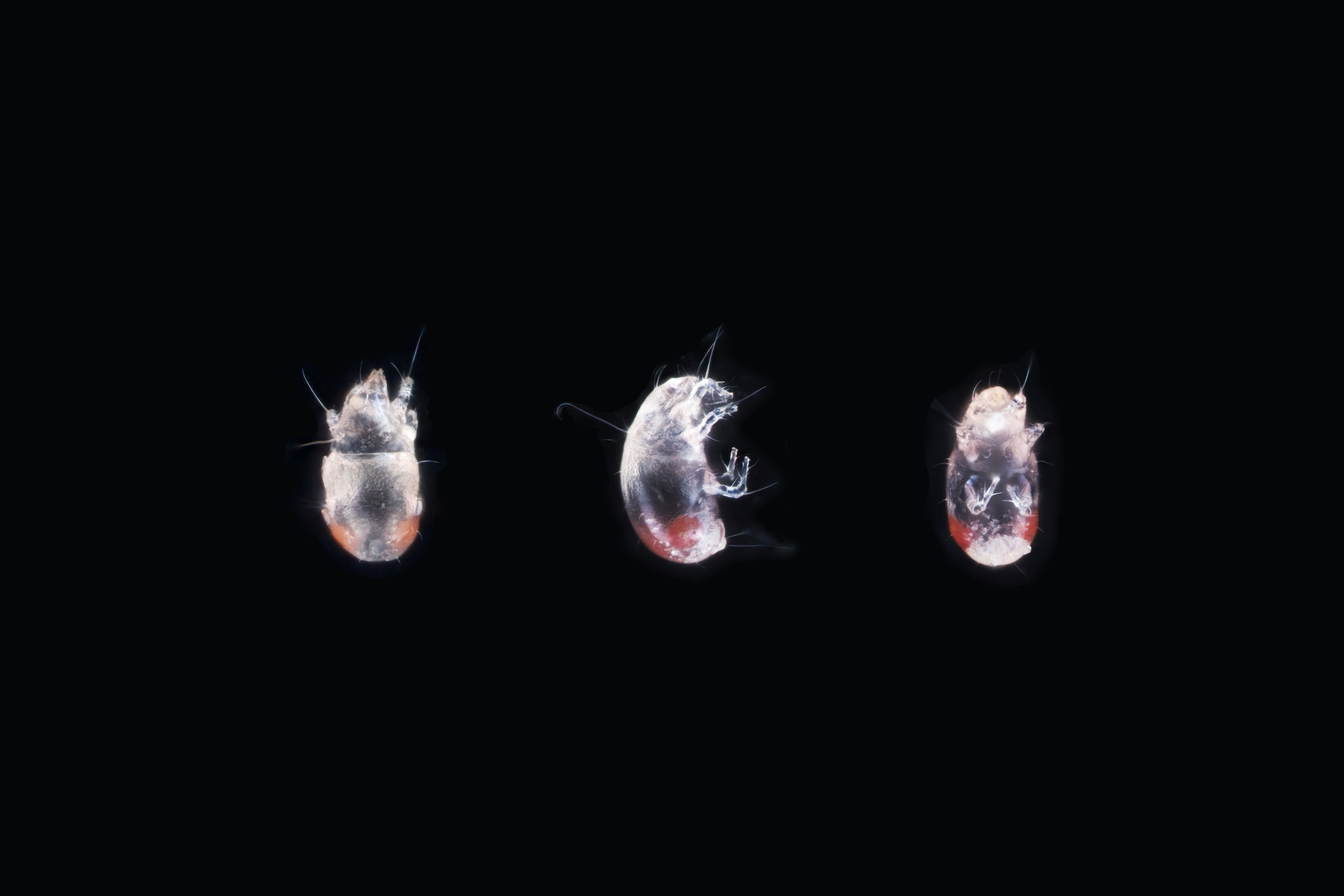
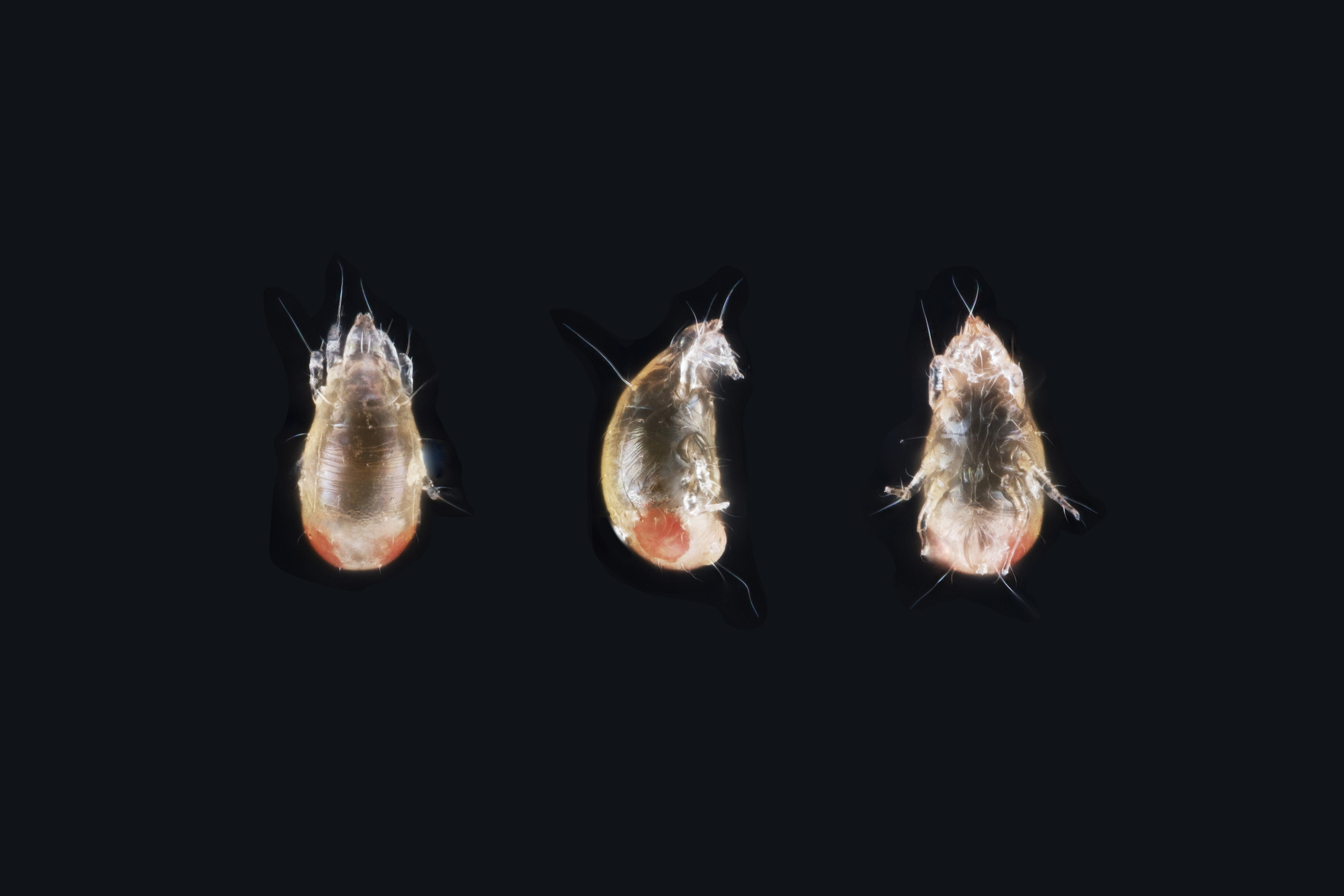
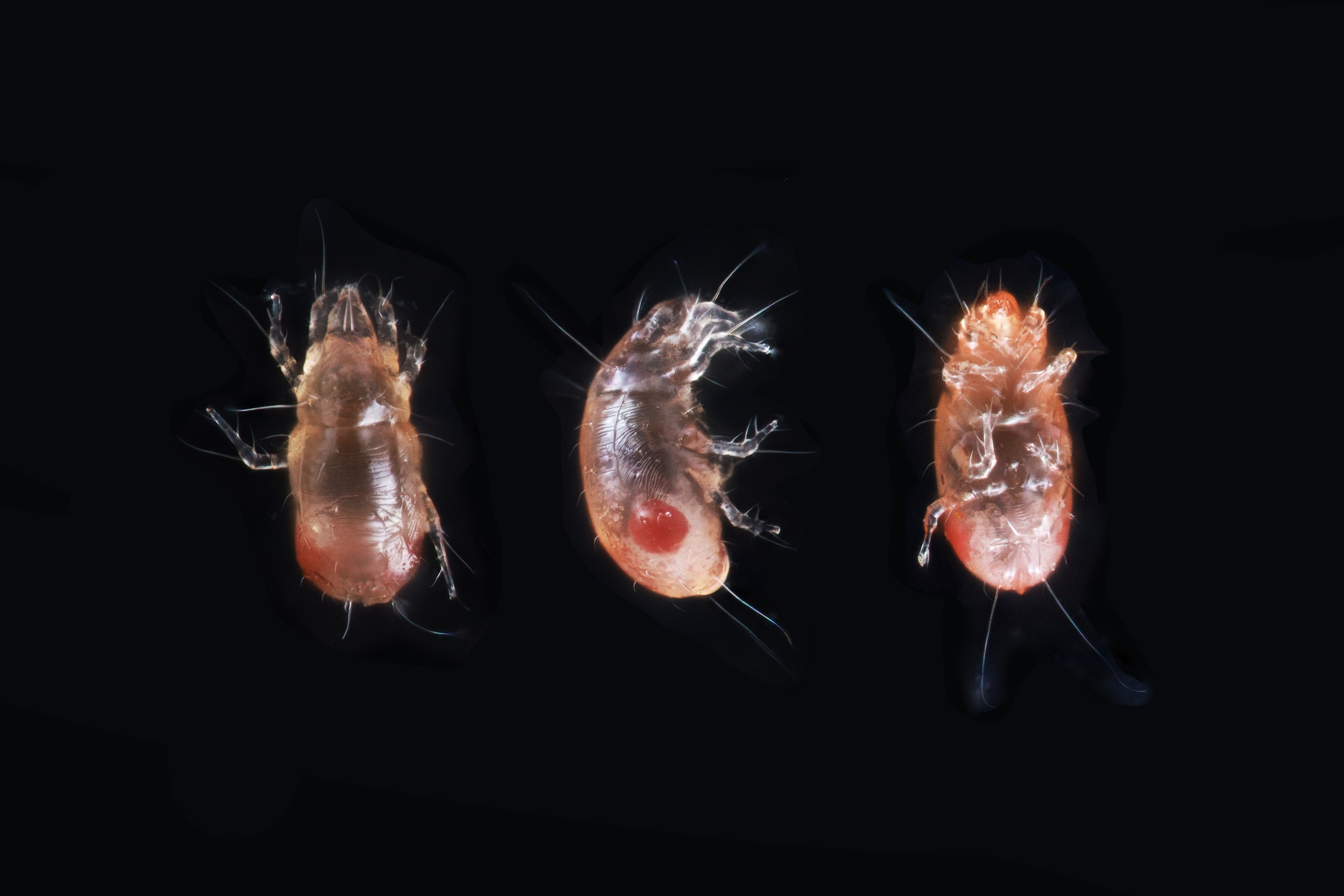
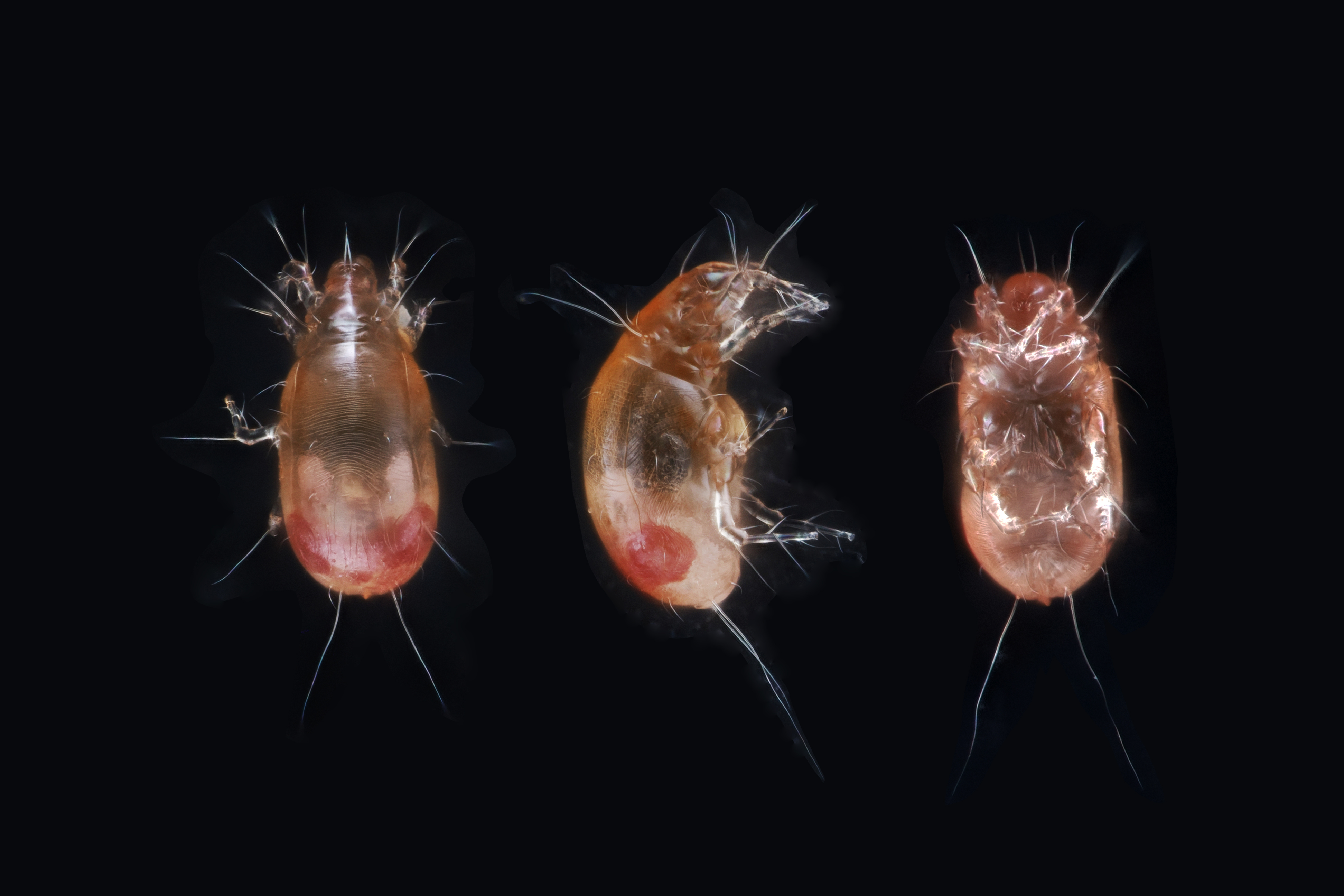
Anystidae. Commonly known as whirligig mites, the family includes generally medium- to large-sized mites with long legs and are characterised by their rapid, erratic movement on surfaces. Most anystid mites are active predators, feeding on small arthropods and their eggs. They are found in a wide range of habitats, including soil, leaf litter, vegetation, and occasionally buildings.
Anystis baccarum Linnaeus, 1758, is a large, fast-moving mite, typically reaching up to about 2 mm in length, with a bright red body and long, slender legs. It is readily recognised by its rapid, whirling movement across surfaces and its conspicuous eyes on the dorsum. Anystis baccarum is a generalist predator that feeds on a wide range of small arthropods and their eggs, and it has been widely studied for its potential role in biological control. This species is widely distributed globally.

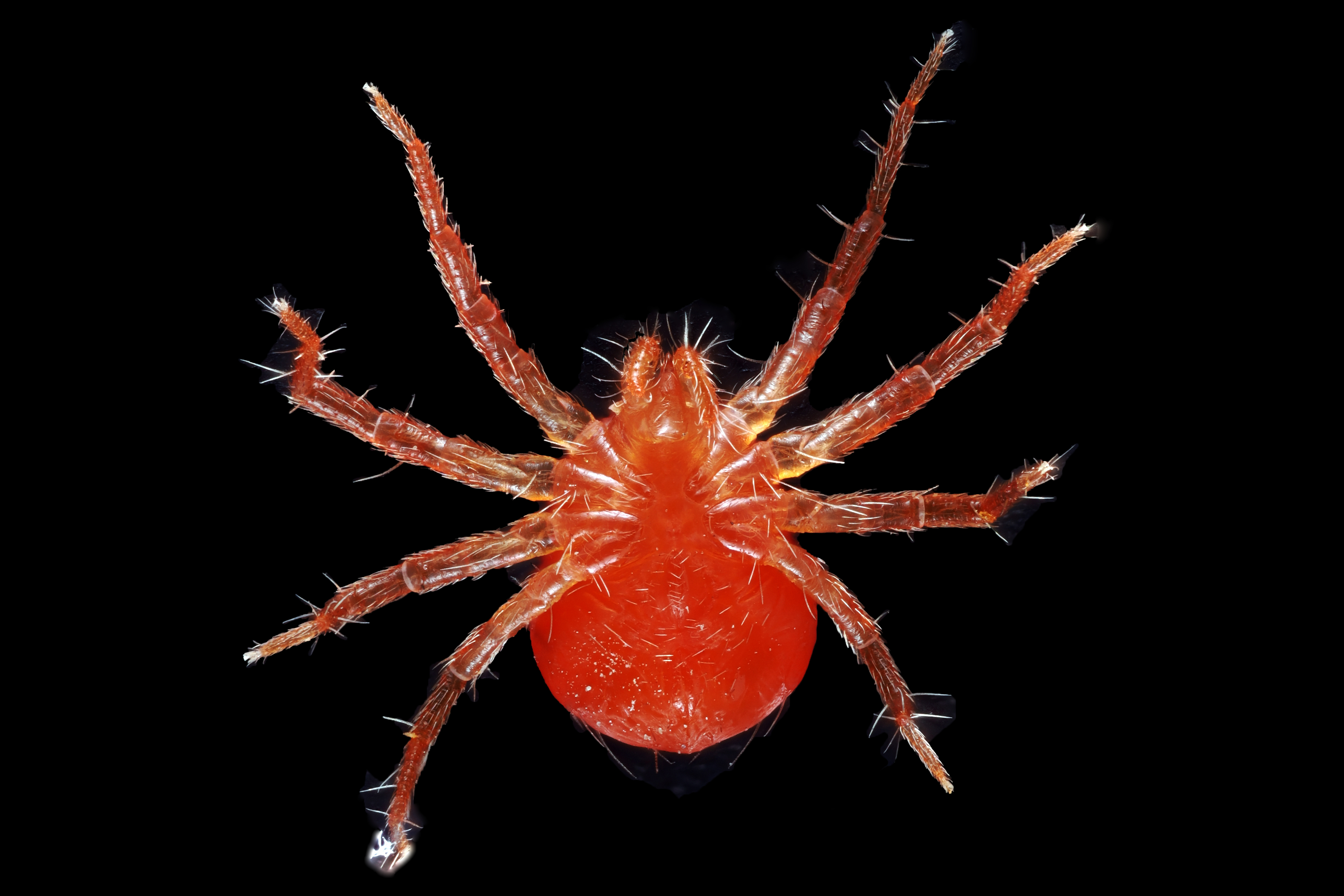
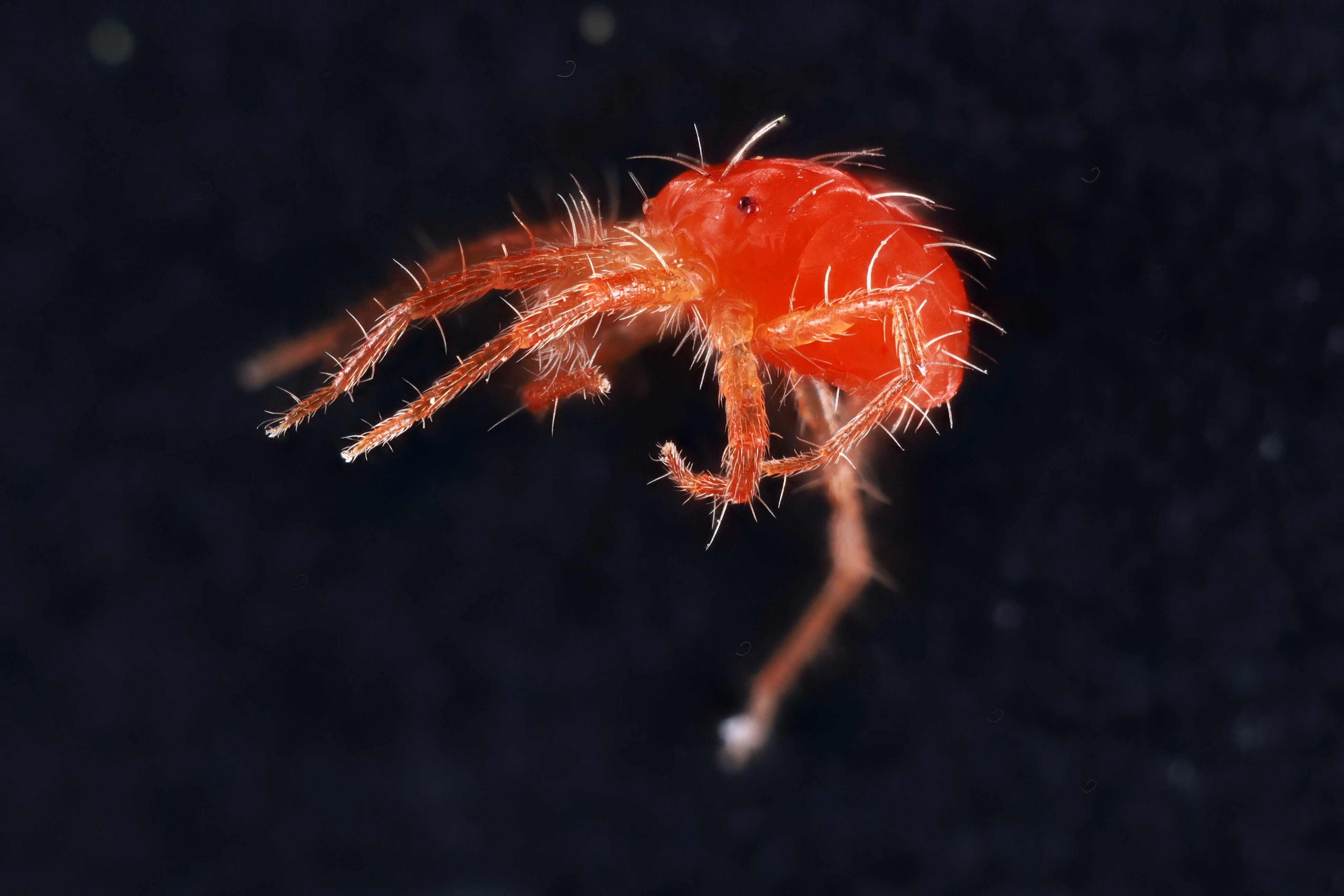

Bdellidae. Commonly known as snout mites, the family includes small but remarkable predators that roam soils, leaf surfaces, and moss in search of prey. Easily recognised by their elongated “snout,” which houses sharp mouthparts, these mites use their piercing chelicerae to suck the body fluids of other tiny arthropods. Unlike many mites that feed on plants or fungi, bdellids are swift and active hunters, playing an important role in keeping pest populations in check.
Identification in progress.
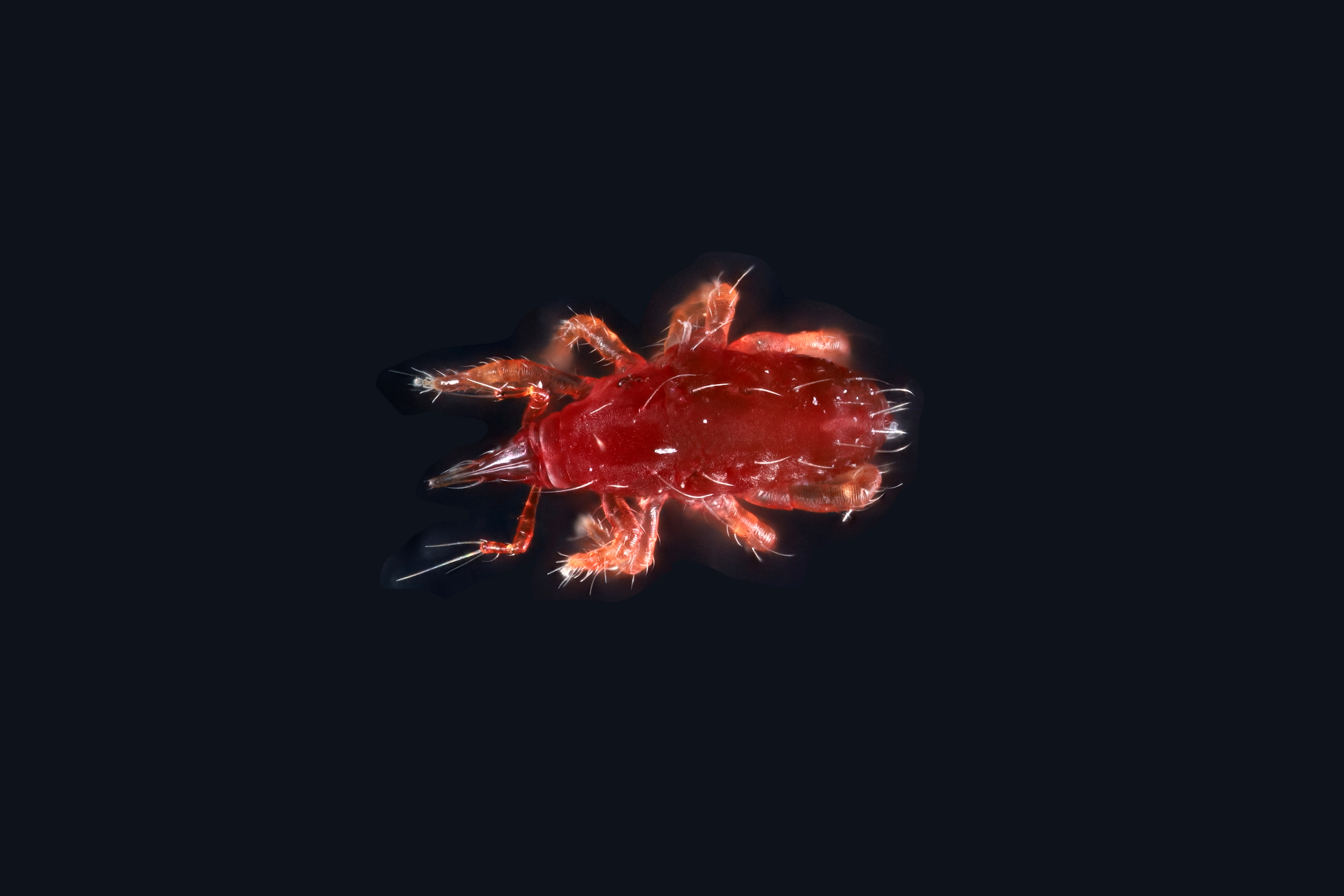
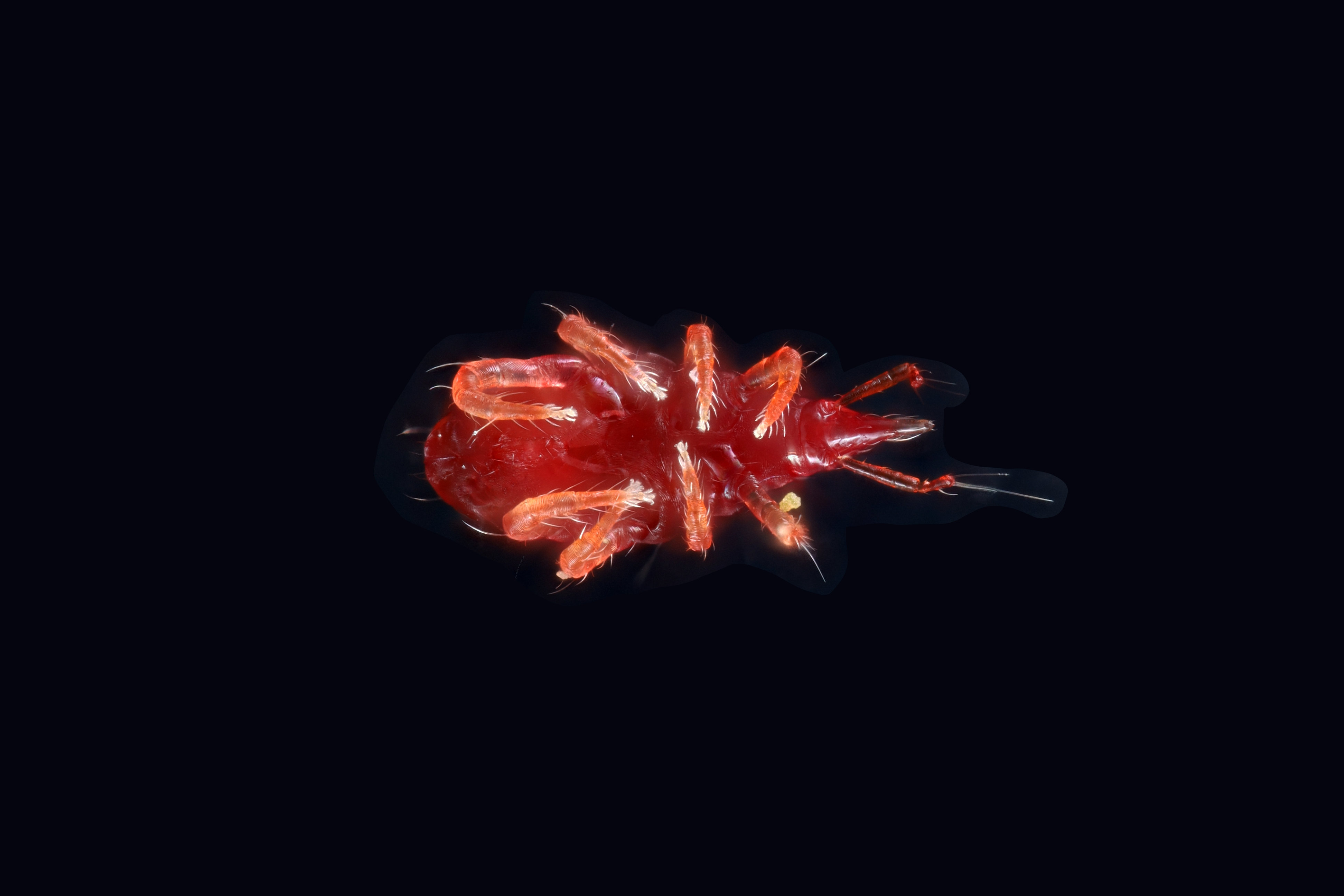
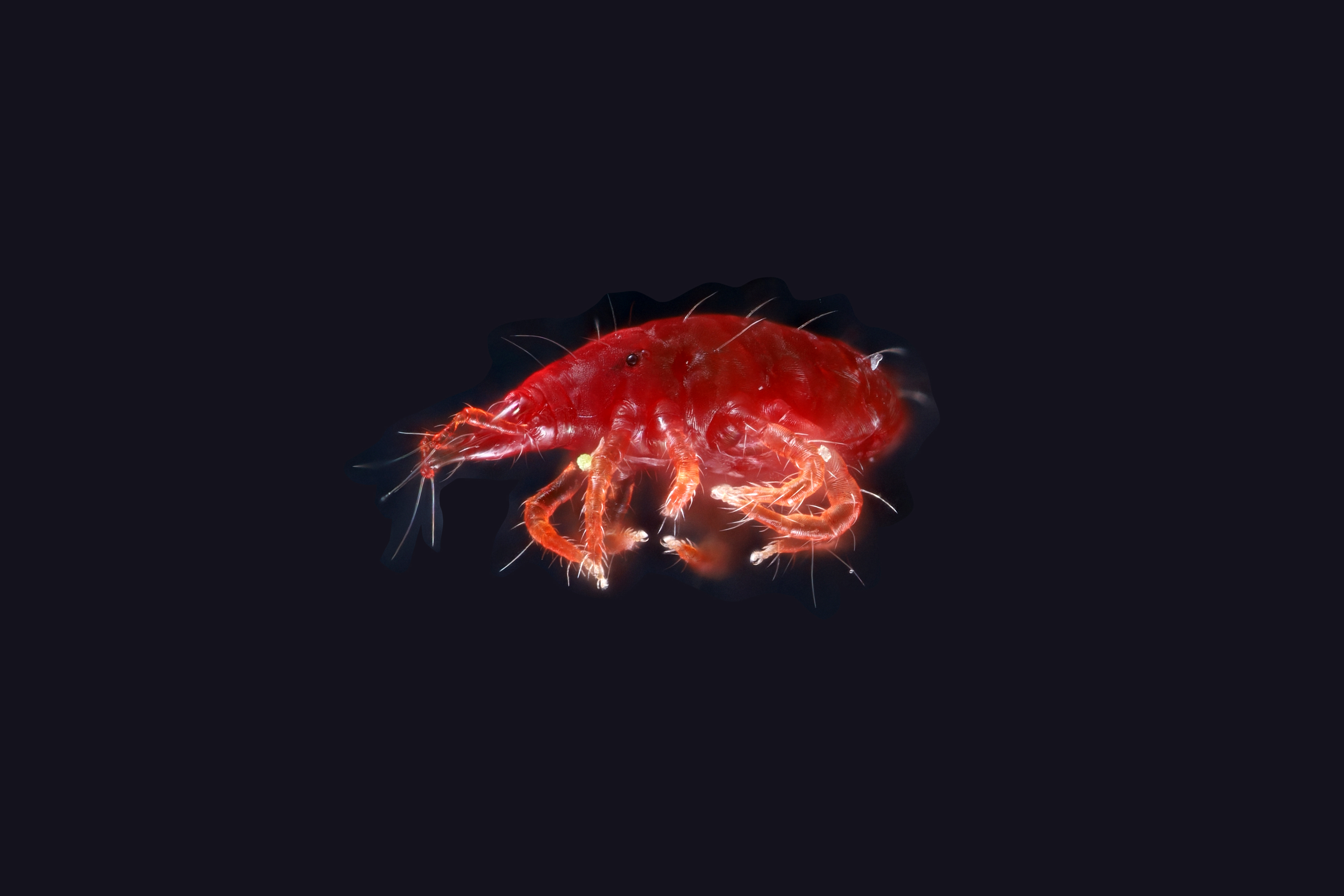

Erythraeidae. Member of this family are known for their bright red or orange coloration in the adult stage. These mites are often found in soil, leaf litter, and on plants, where they can be predatory or parasitic, depending on the species. Some species are beneficial as they prey on pest mites and small arthropods, while others can be parasitic on insects, particularly in their larval stages. Erythraeidae mites are important in ecosystems for their roles in biological control and nutrient cycling.
Balaustium medicagoense Meyer & Ryke, 1959, is a large, densely hairy mite reaches up to 1.6 mm in length, featuring a single pair of eyes positioned well back on the body. Its first pair of legs is slightly longer than its body. Over the past decade, this species has garnered significant attention due to its dual role as a potential biocontrol agent and as a pest (the only pest species known to exist in this family and superfamily). This speices has been reported in Australia, New Zealand, and South Africa.
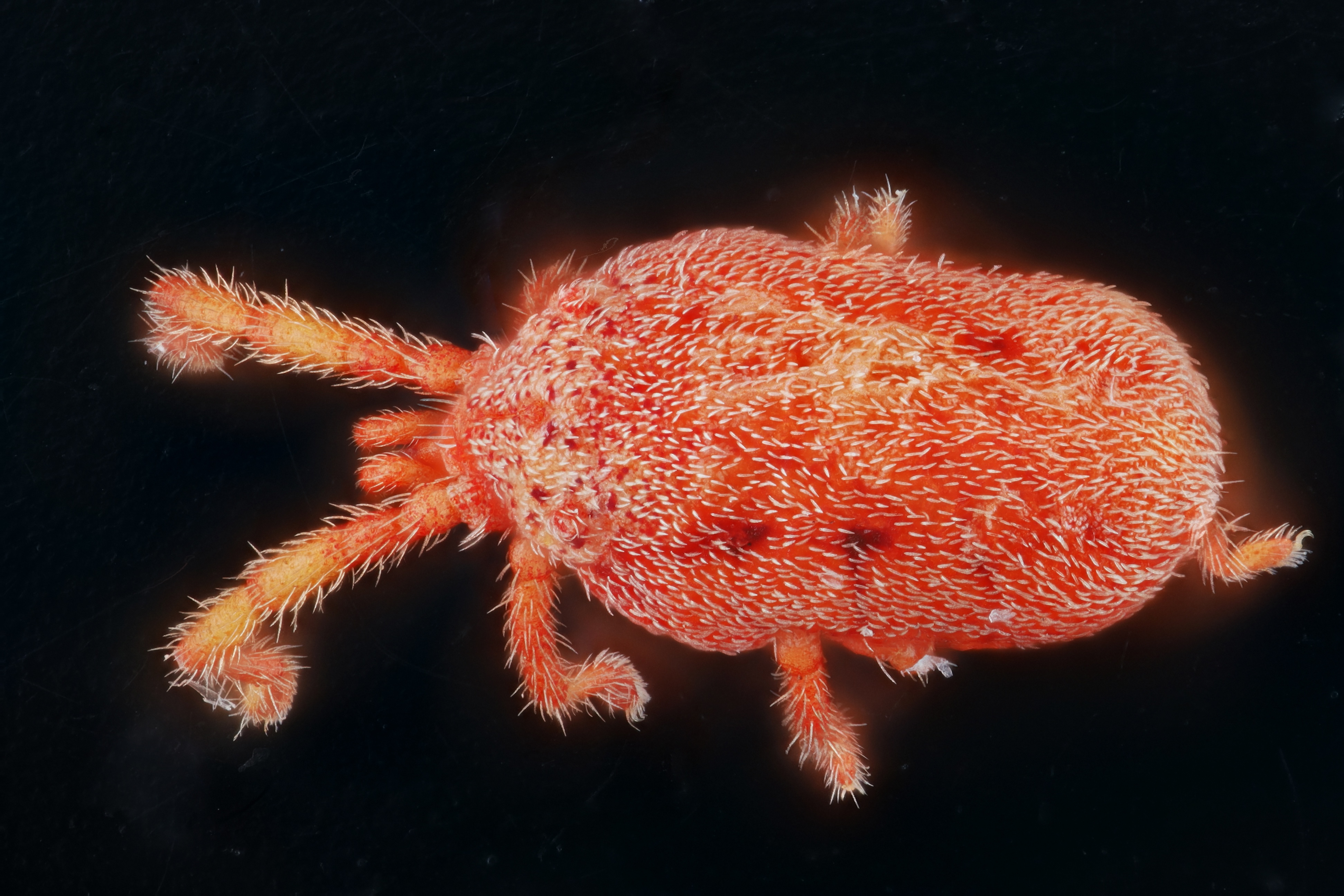
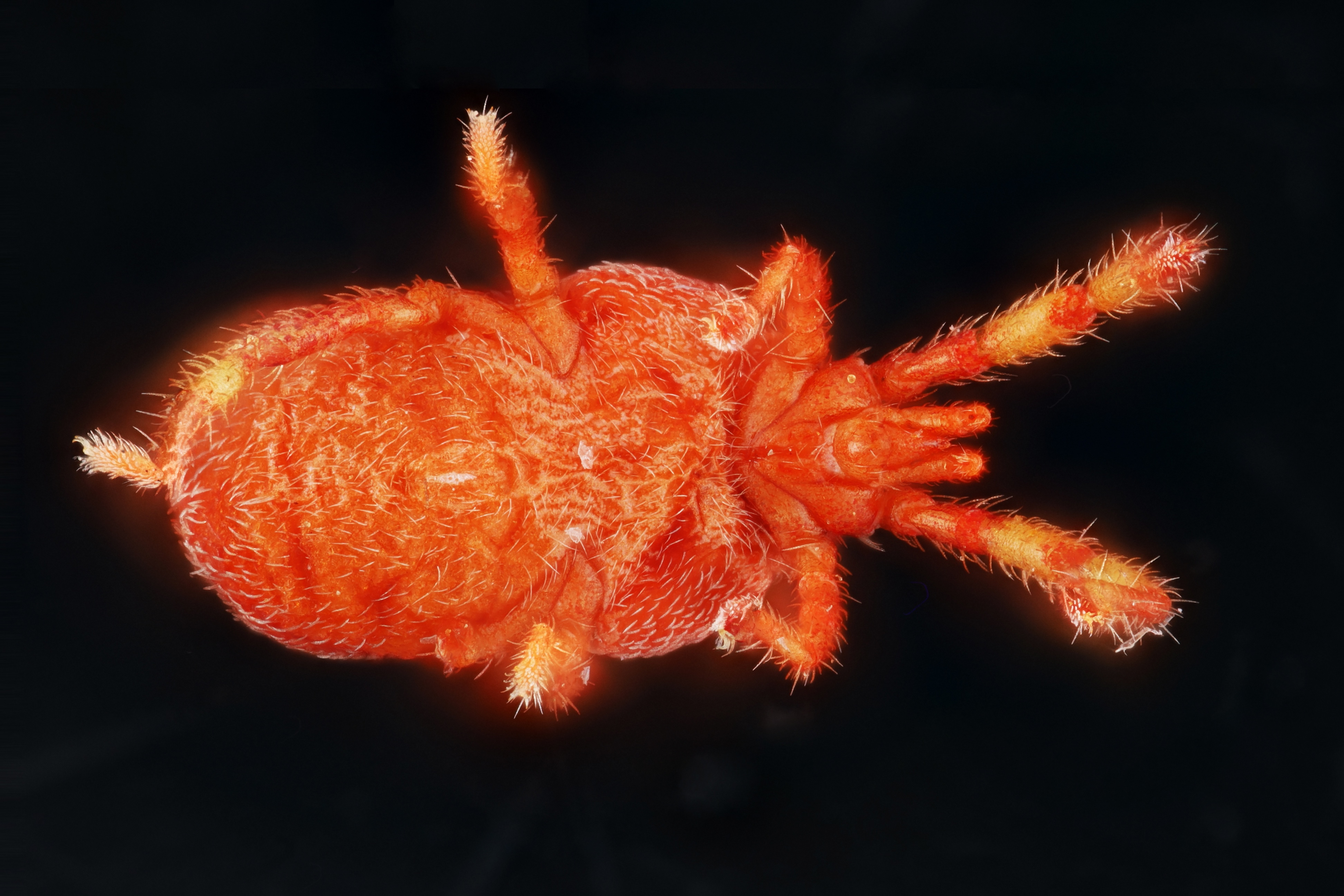
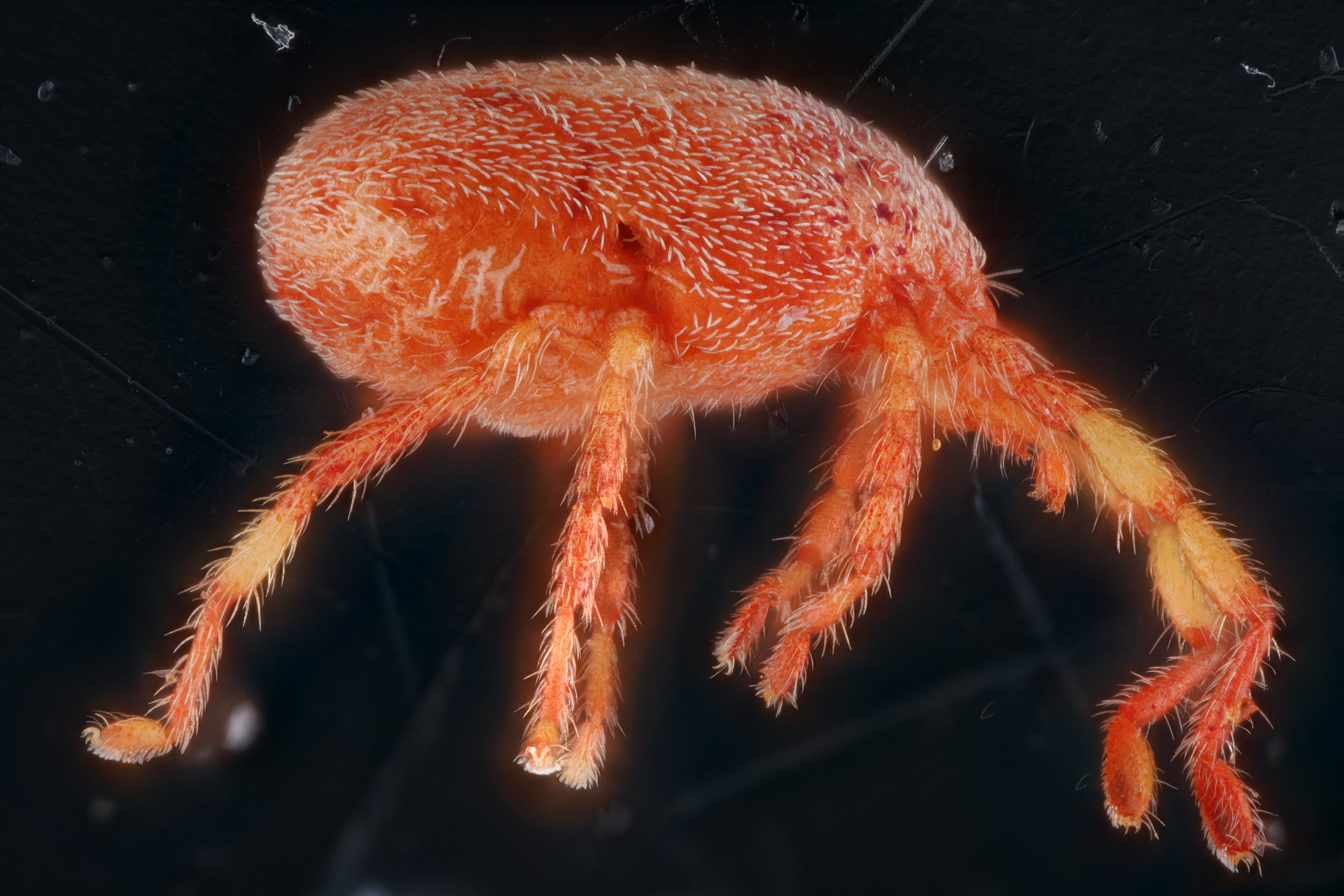
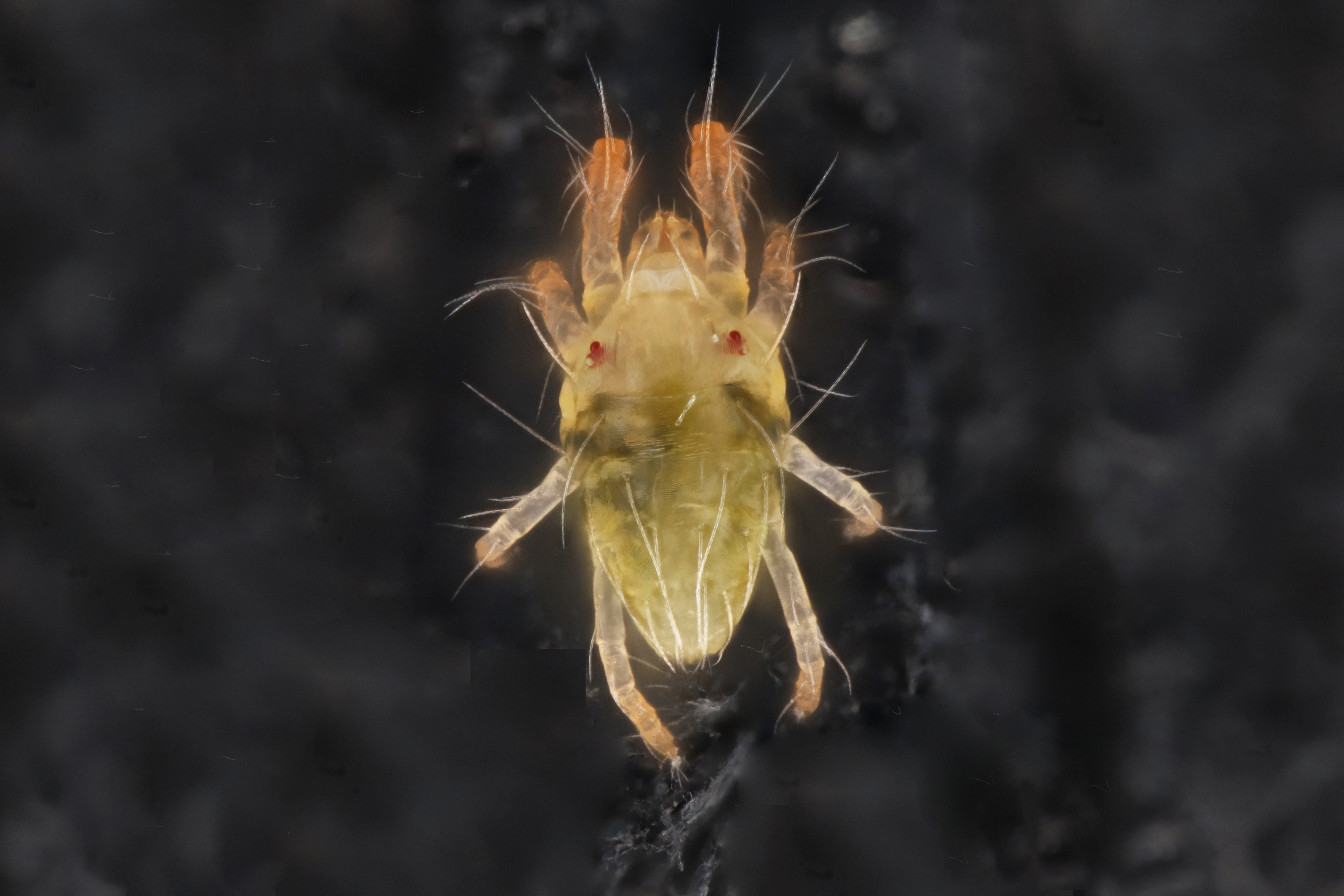
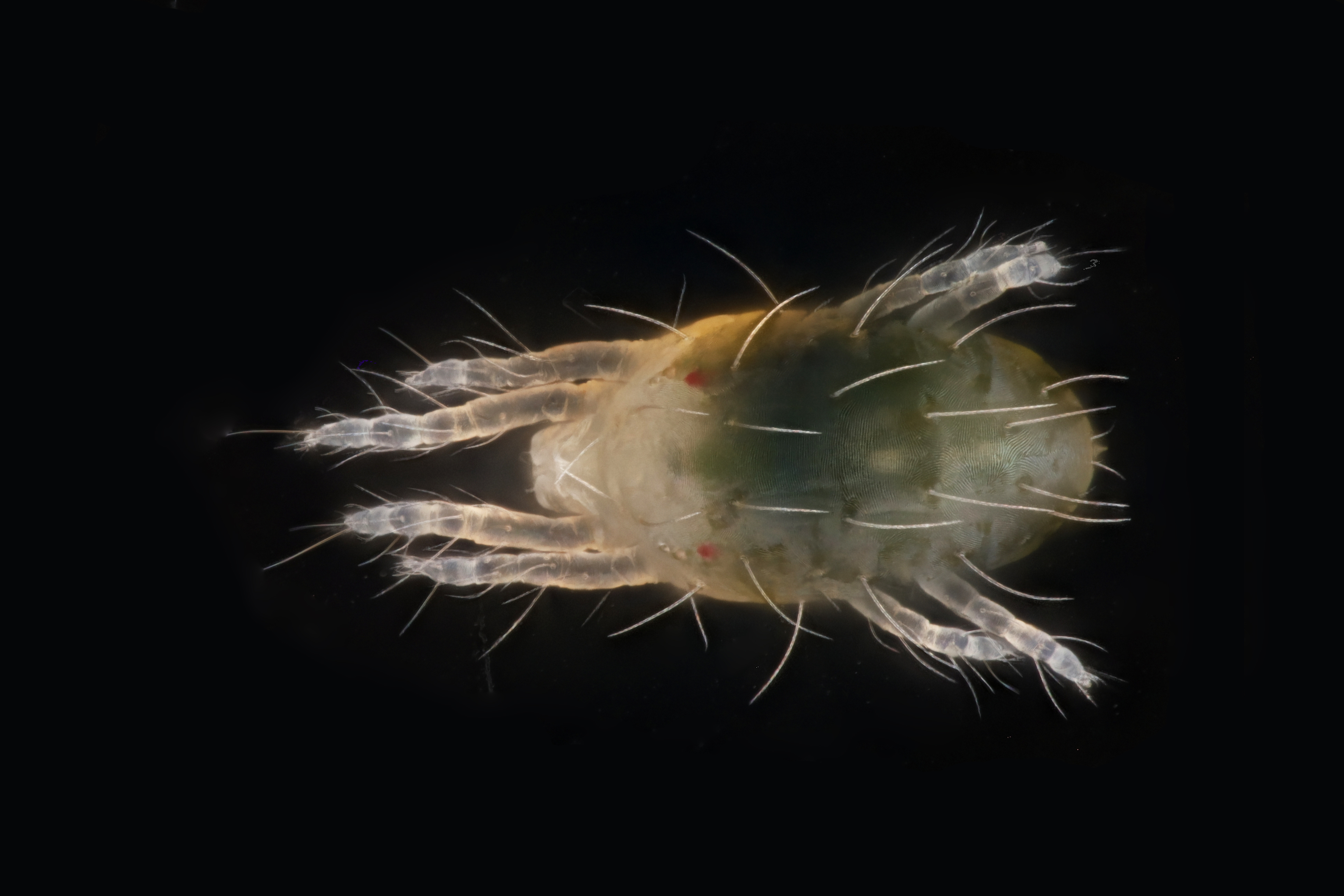
Tetranychidae. This family of mites commonly known as spider mites, which are plant-feeding arachnids. They are well-known agricultural pests, which causes significant damage to crops by feeding on plant tissues, leading to chlorosis, leaf deformation, and, in severe cases, plant death. Spider mites are characterised by their ability to produce dense webbing and their rapid reproduction rates, making them challenging to control.
Tetranychus evansi Baker & Pritchard, 1960, known as the tomato red spider mite, is a highly invasive pest originating from South America. Renowned for its destructive sap-feeding and extensive webbing, it significantly impacts Solanaceae crops like tomatoes, potatoes, and eggplants, causing widespread agricultural damage globally.
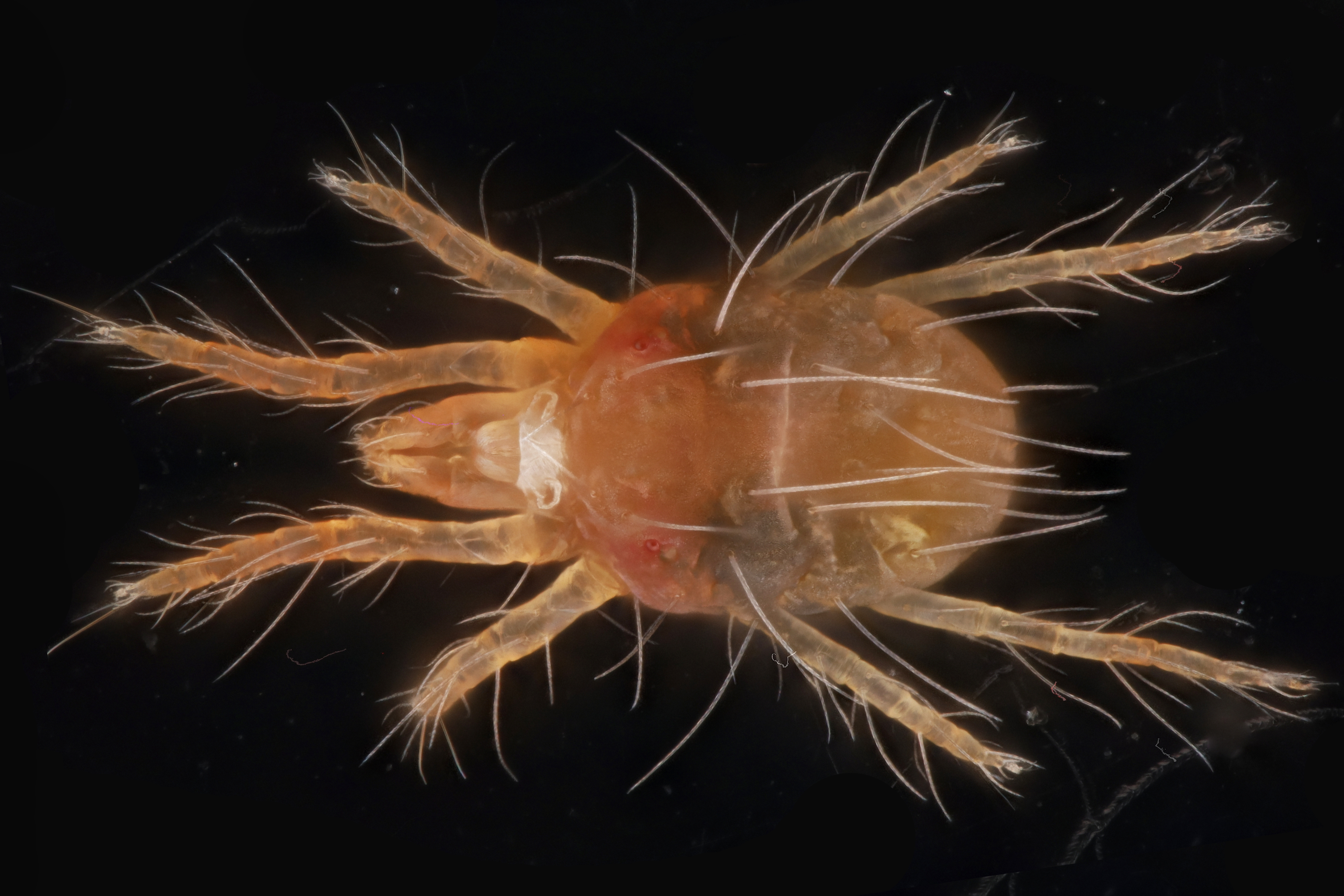
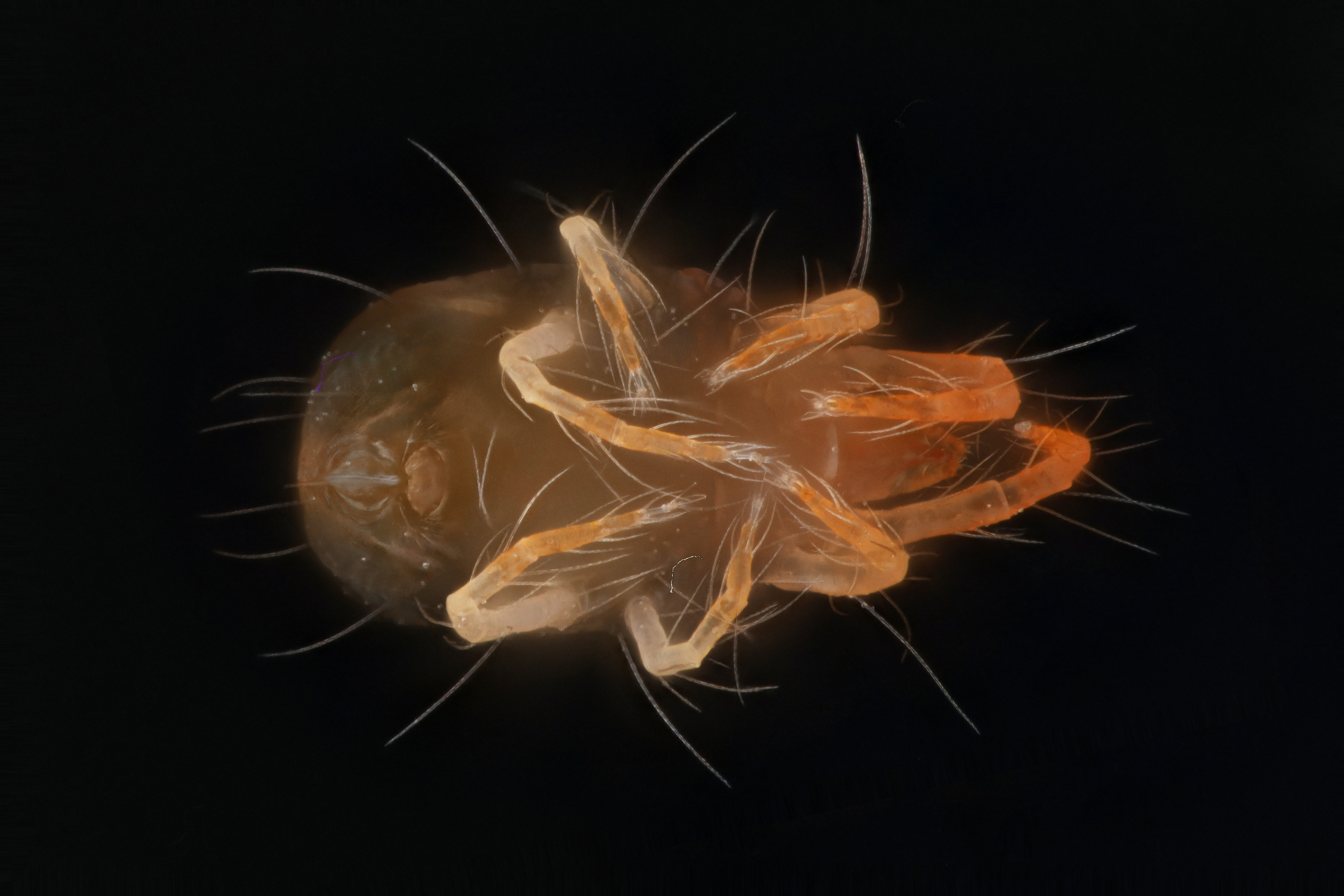
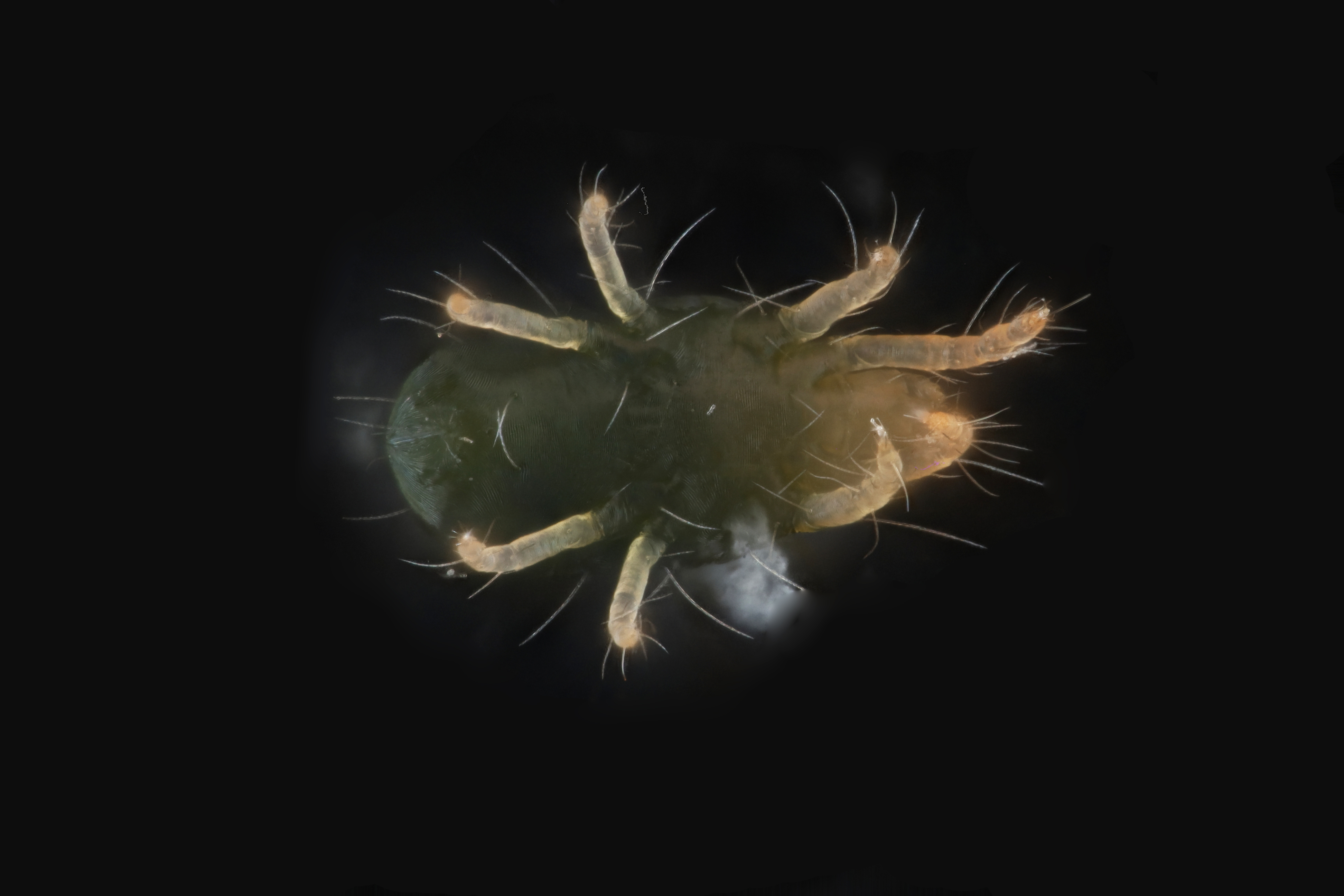
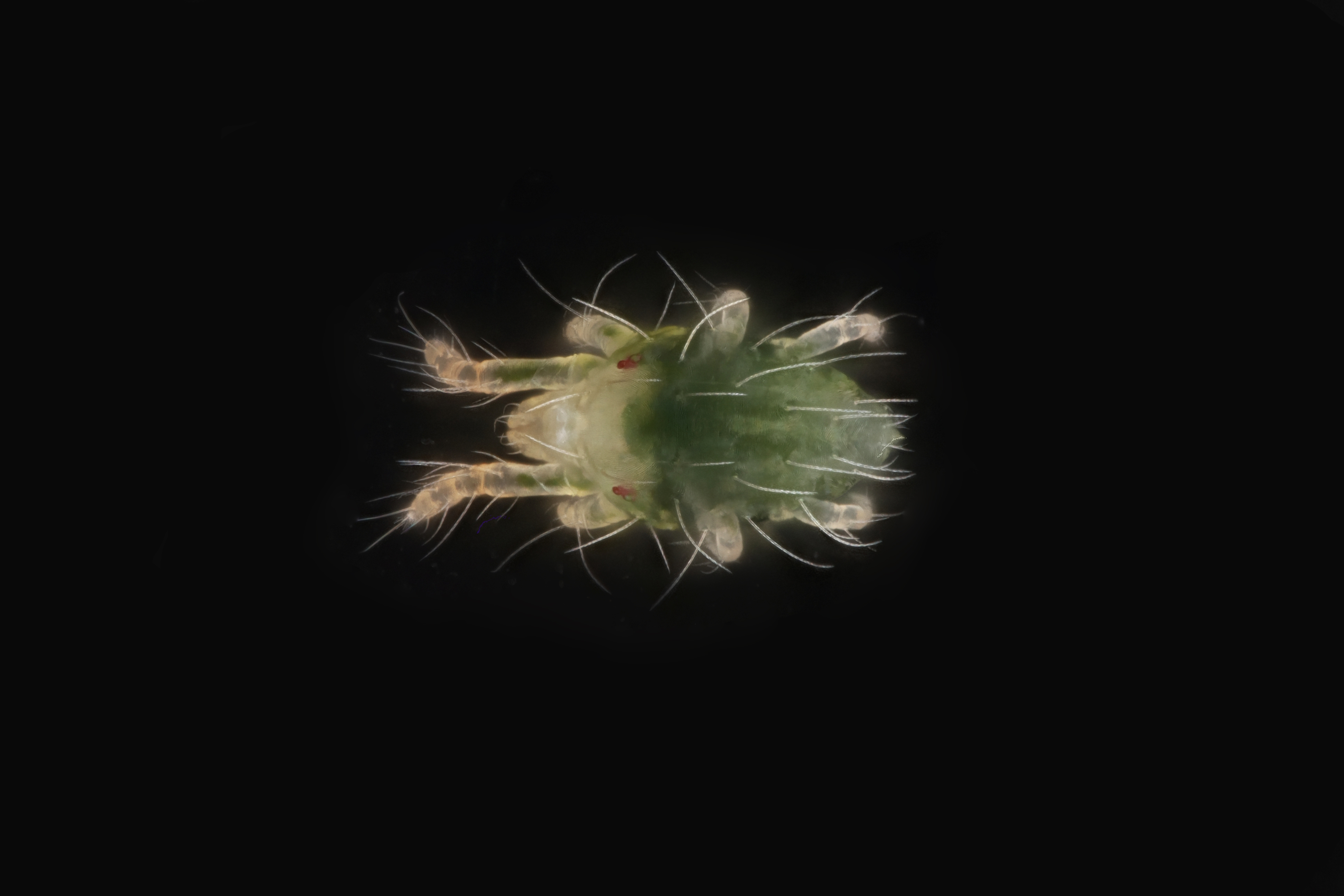
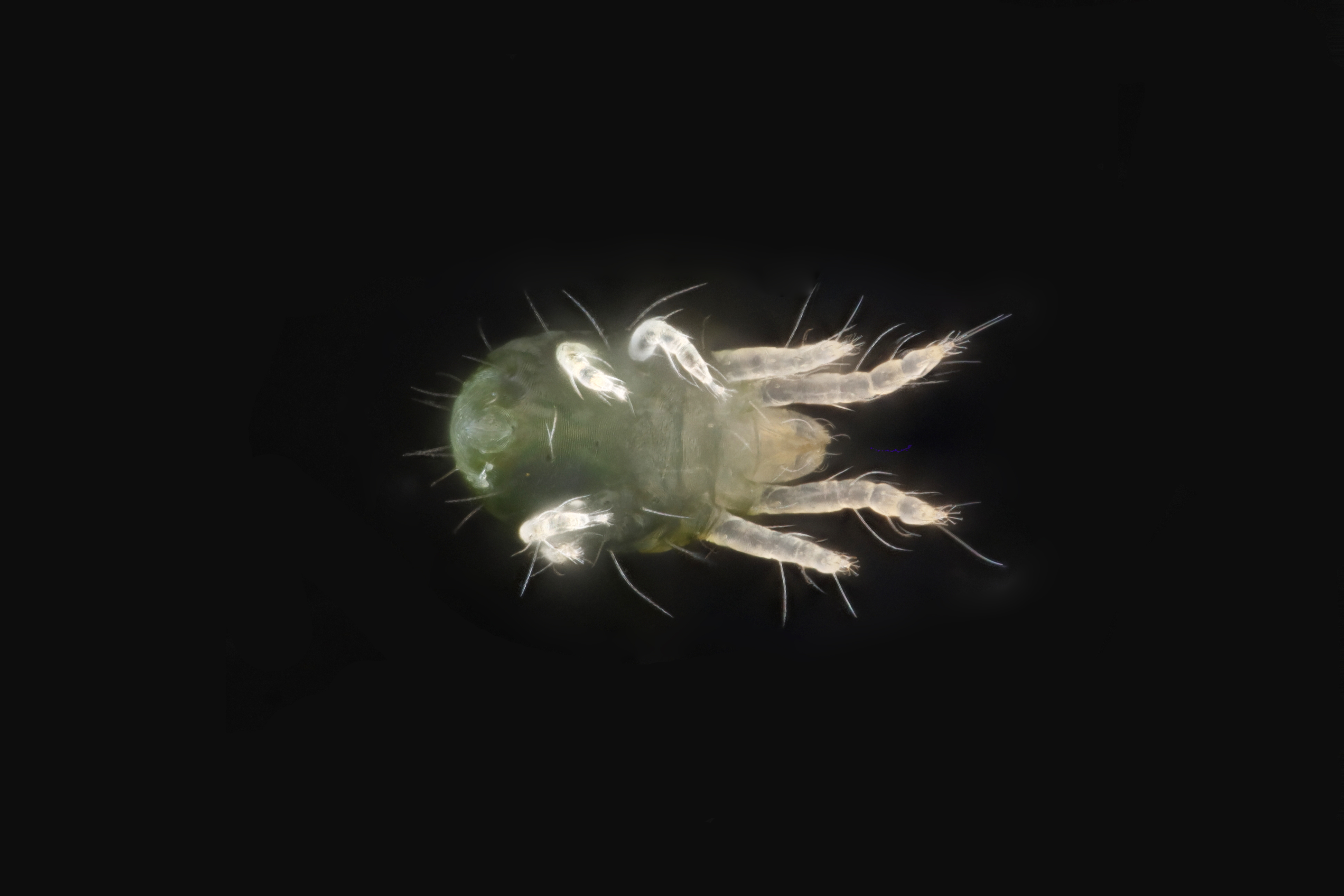
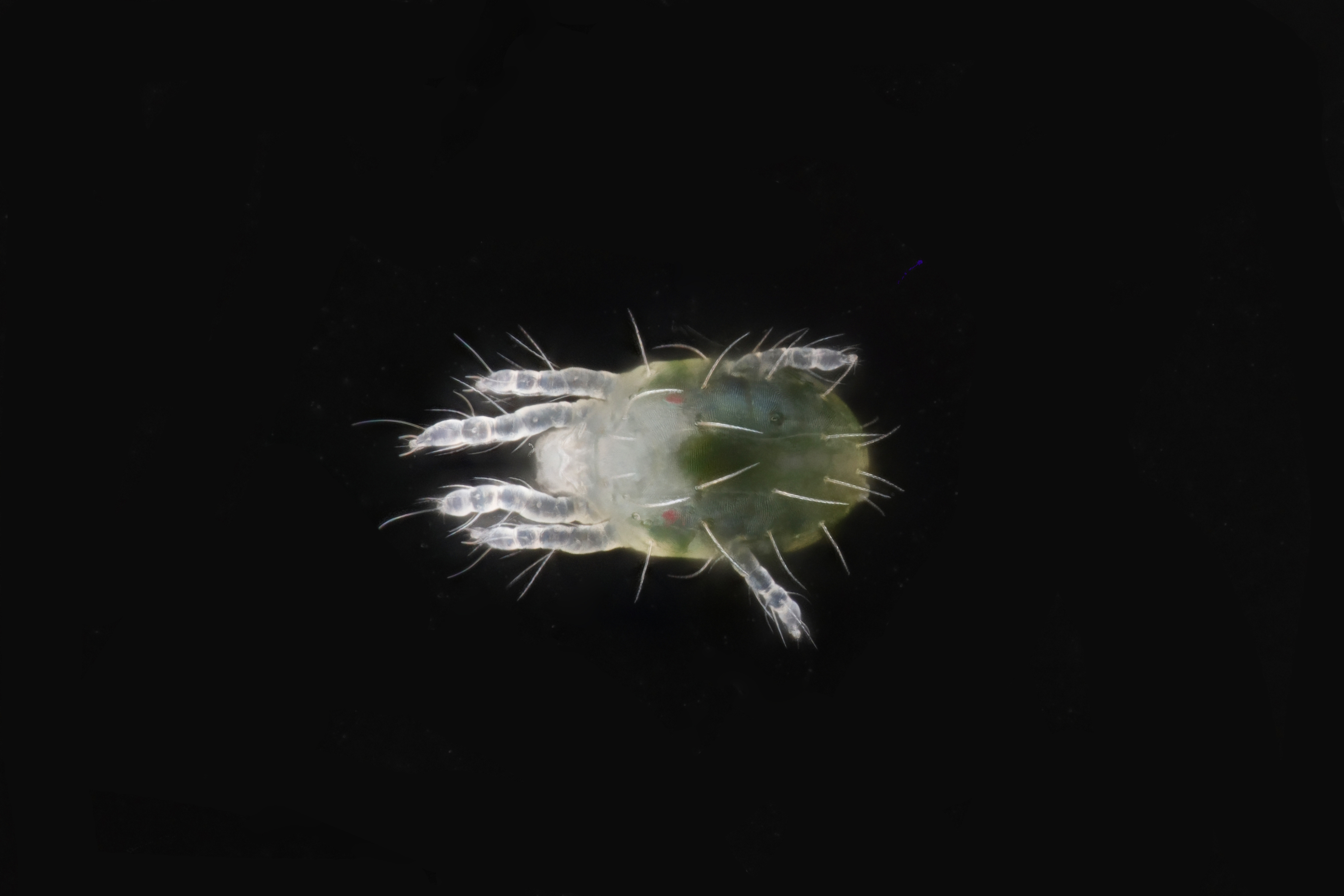
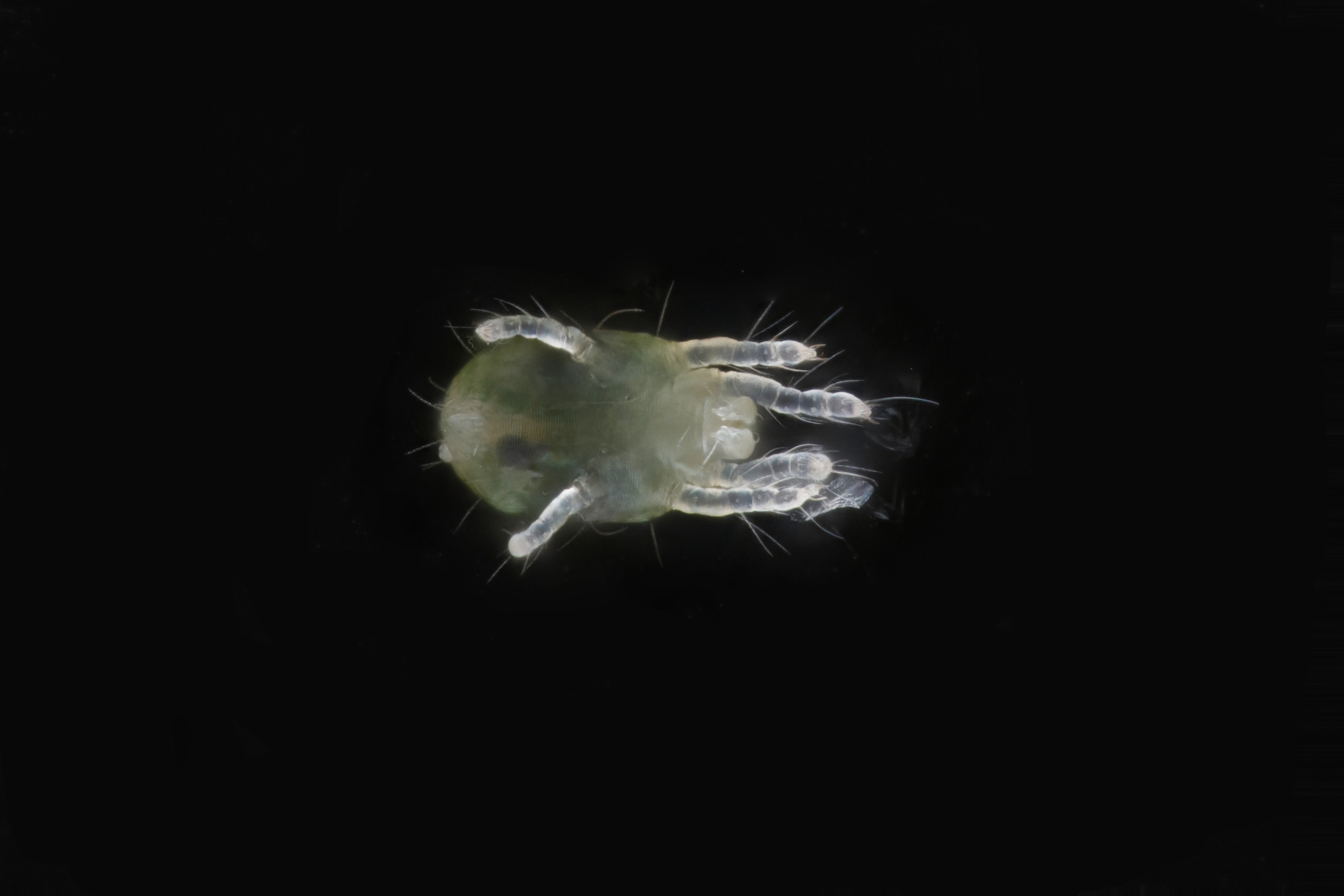

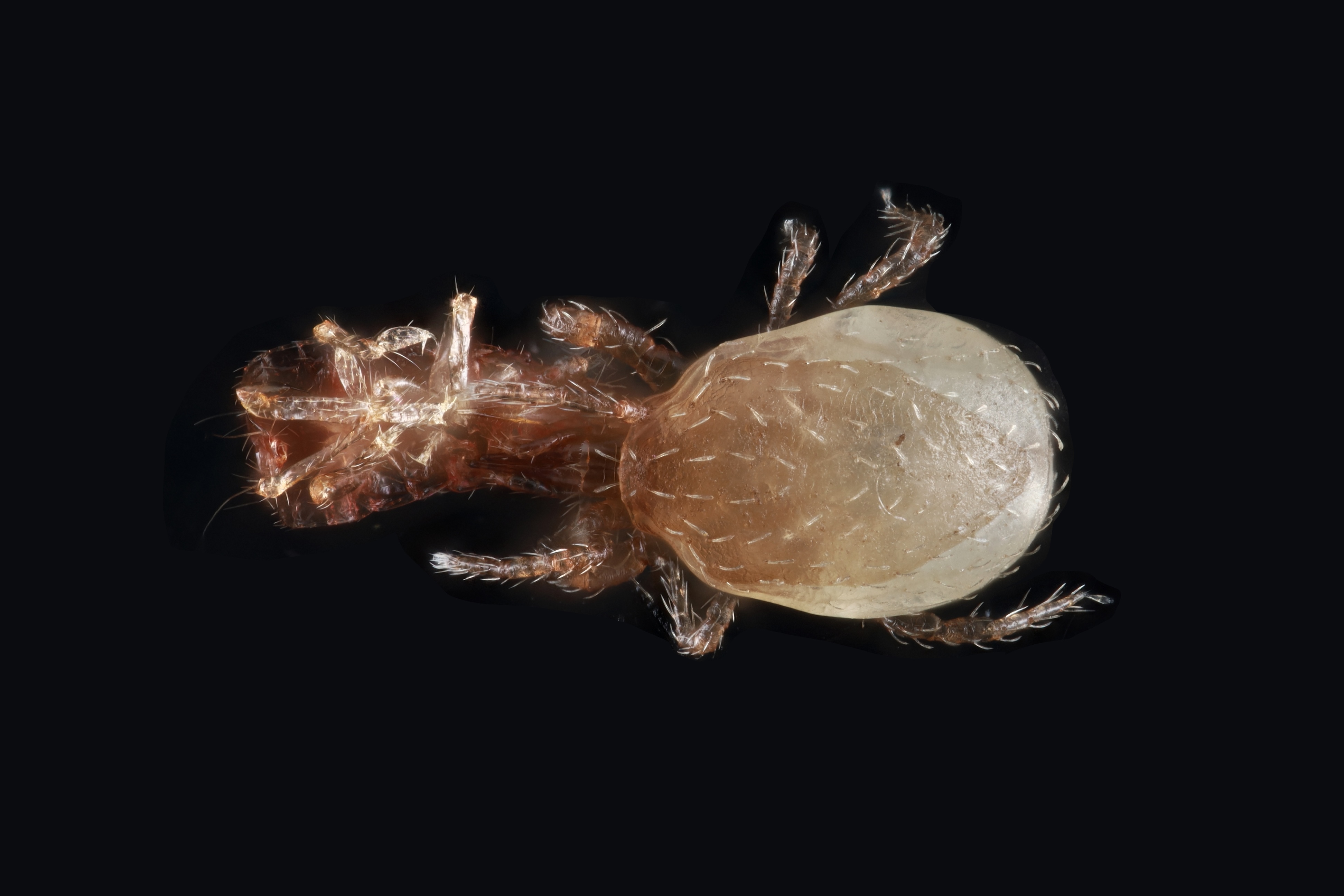
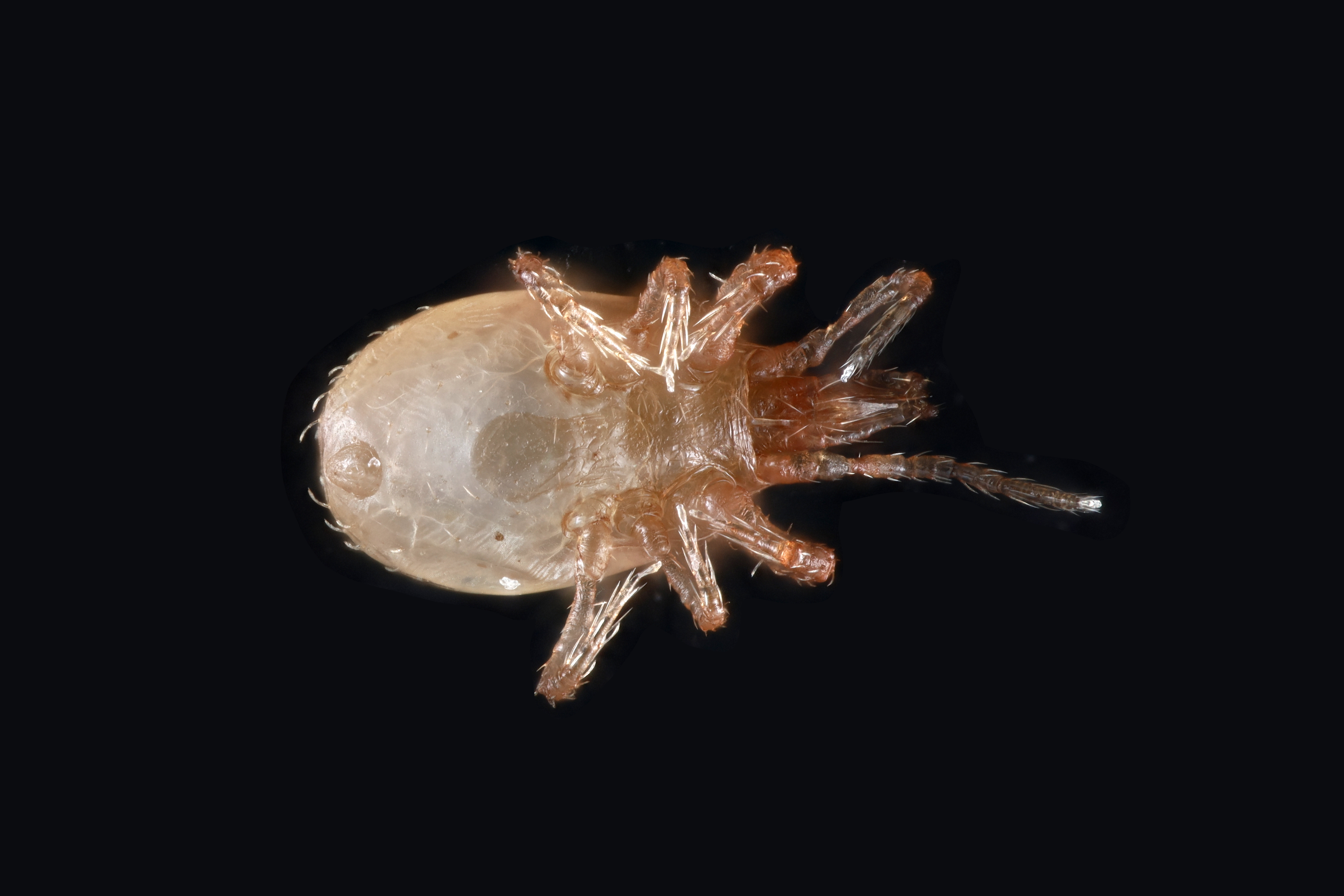
Laelapidae. This family of predatory mites is found in soil, leaf litter, and animal nests. Many species feed on small invertebrates like insect larvae, nematodes, or other mites, making them important natural pest controllers. Some are used in agriculture and animal care because of their ability to reduce harmful pests.
Stratiolaelaps scimitus (Womersley, 1956) is a versatile ally in pest control. It feeds on a wide range of pests, such as fungus gnats, thrips, mould mites, and even nematodes. Beyond agriculture, it has also been used to manage parasitic mites in reptiles and poultry. Since the 1990s, this species has been sold commercially in many countries as a natural alternative to chemical pesticides. Thanks to its ability to thrive on different types of prey, it has proven to be a reliable and adaptable predator.
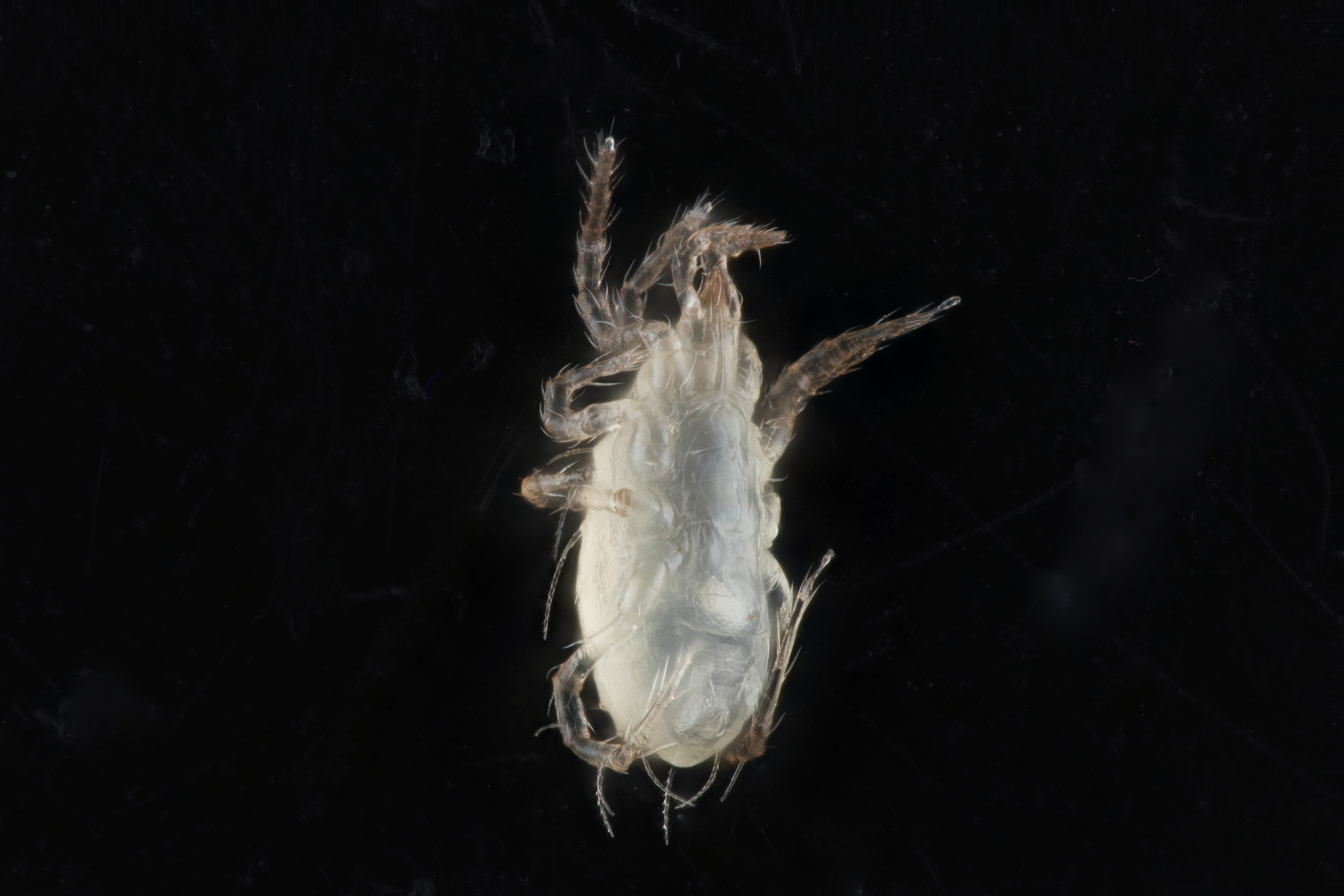
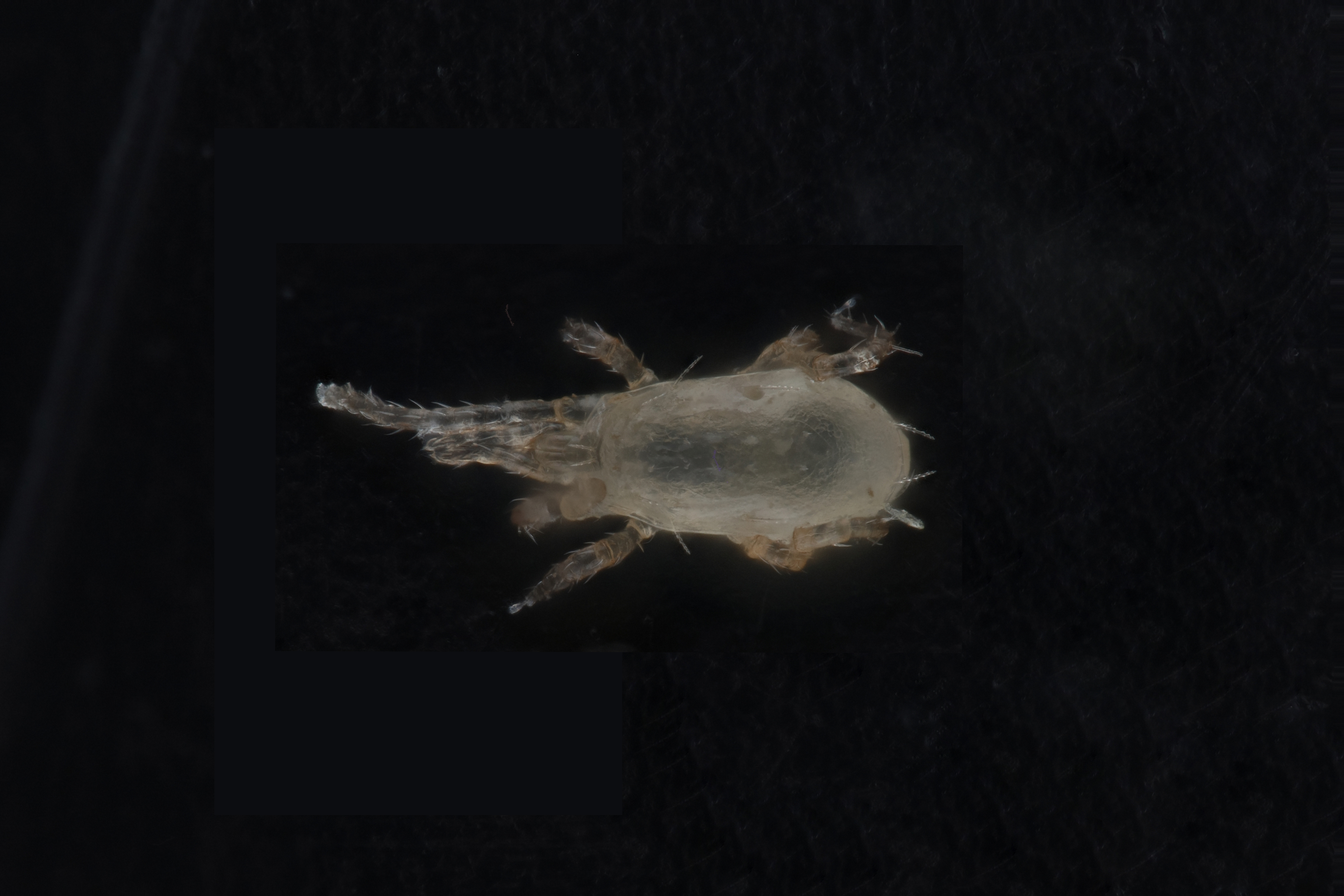
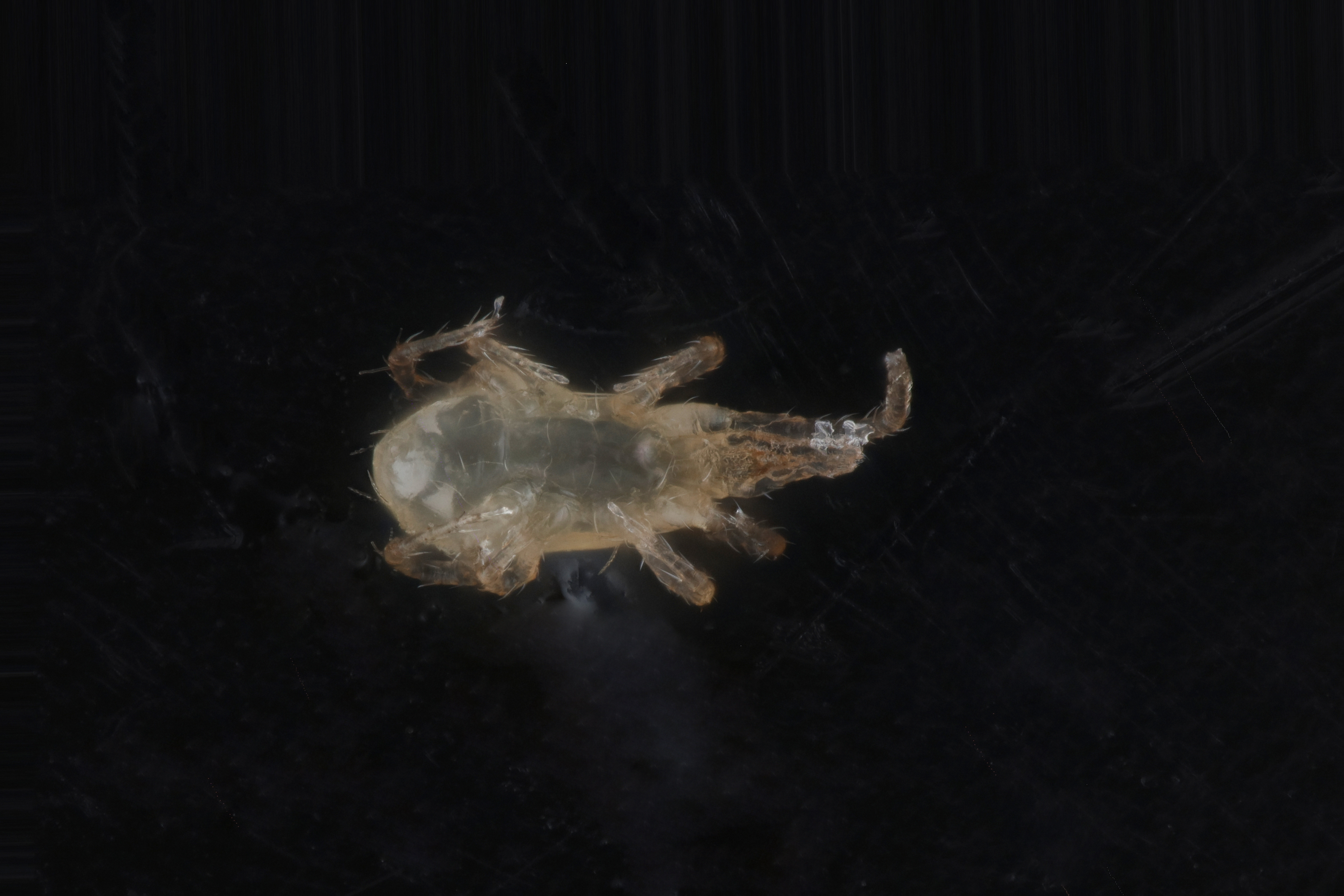
Phytoseiidae. This family includes small plant-inhabiting predatory mite measure between 0.2 and 0.5 mm in size. Many of them are important biological control agents against agricultural pests. They go through five life stages: egg, larva, protonymph, deutonymph, and adult. Each stage is marked by a moulting process.
Amblydromalus limonicus (Garman & McGregor, 1956) is a predatory mite of the family Phytoseiidae, known for its role in biological control by preying on thrips and other small arthropods. With high reproductive potential and adaptability to warm, humid environments, it is widely used in integrated pest management (IPM) programs in greenhouse and field crops.
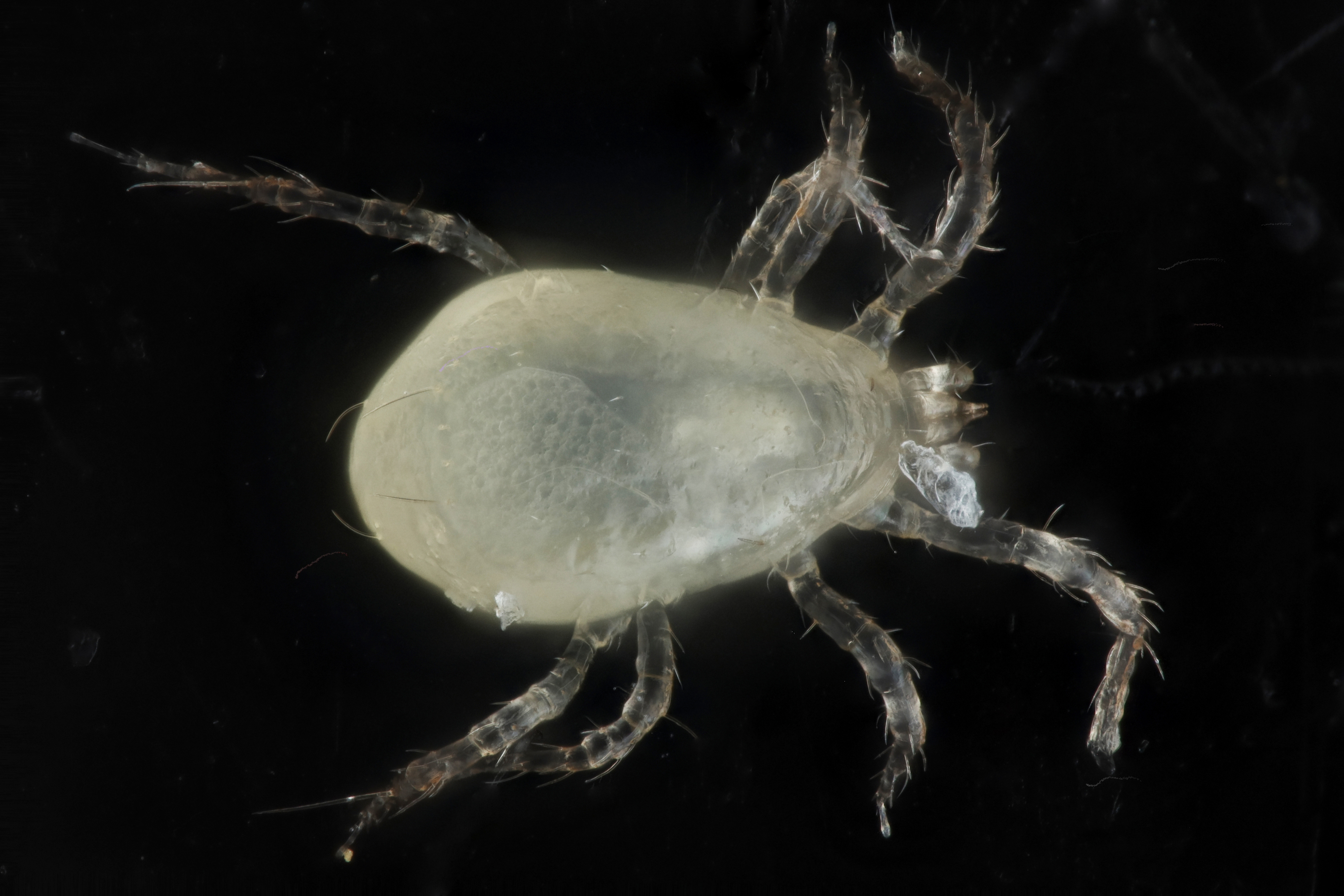
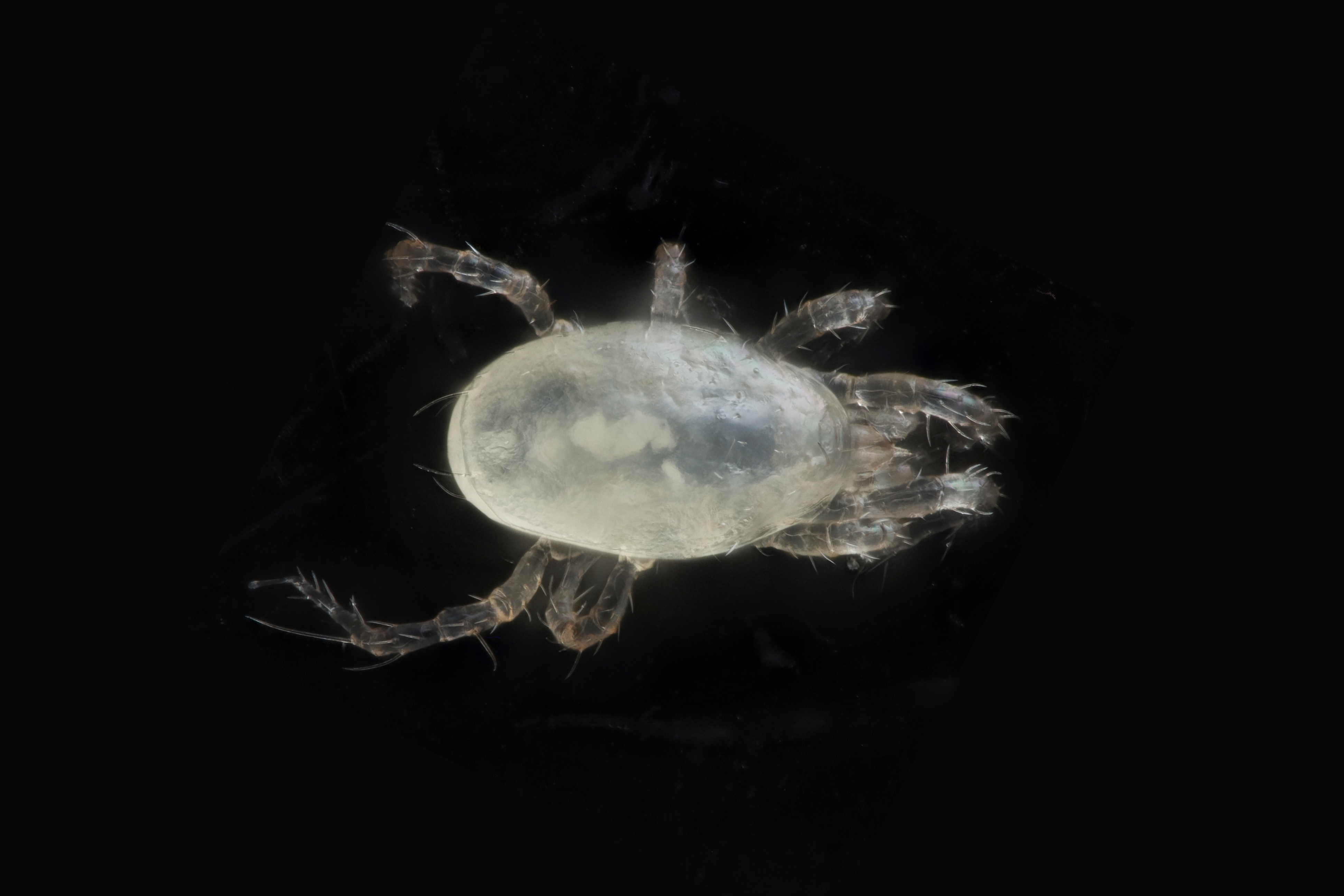
Amblyseius herbicolus (Chant, 1959) is commonly found in New Zealand and other parts of the world. What makes A. herbicolus unique is that females can reproduce without the need for males, a process known as thelytokous parthenogenesis.
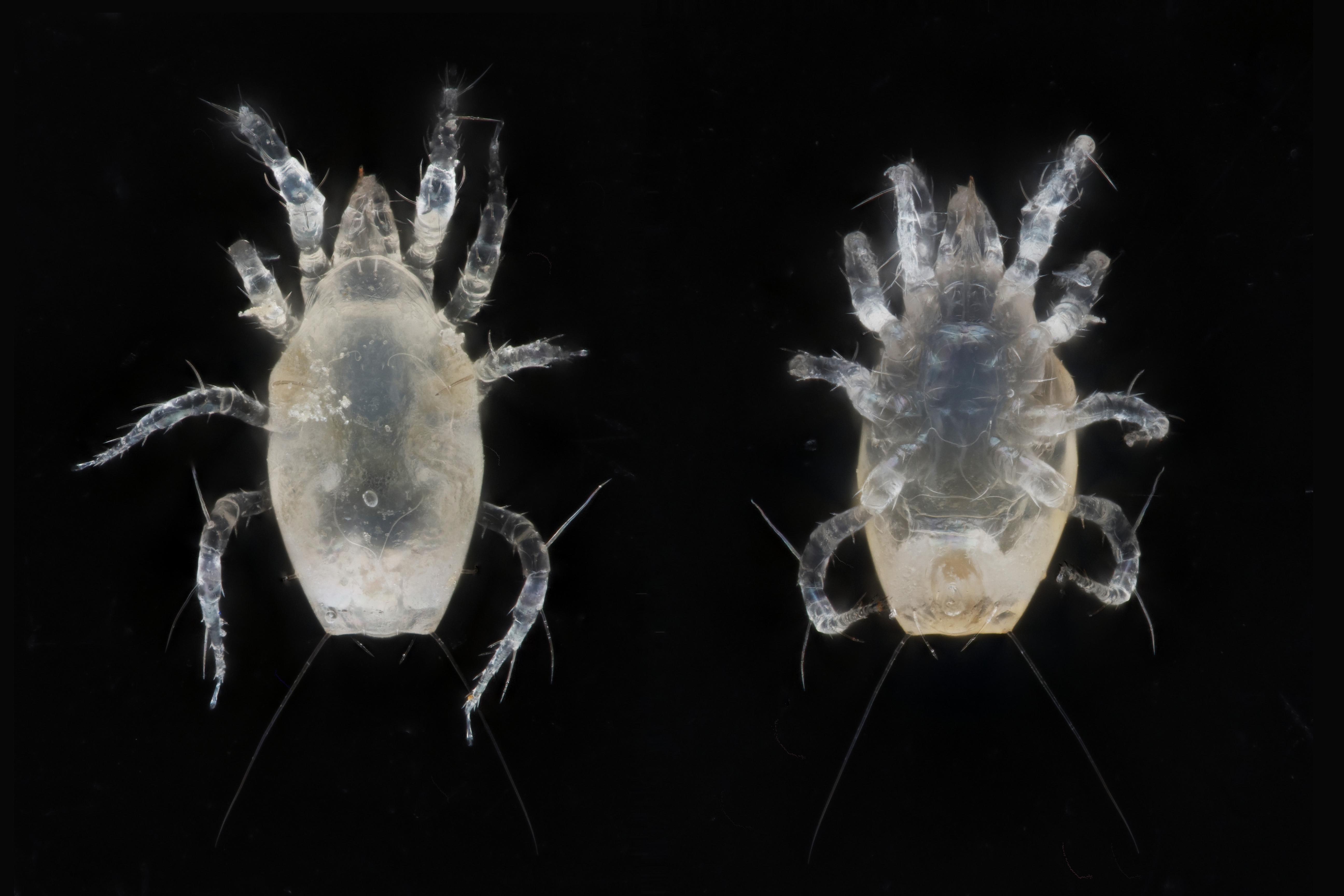
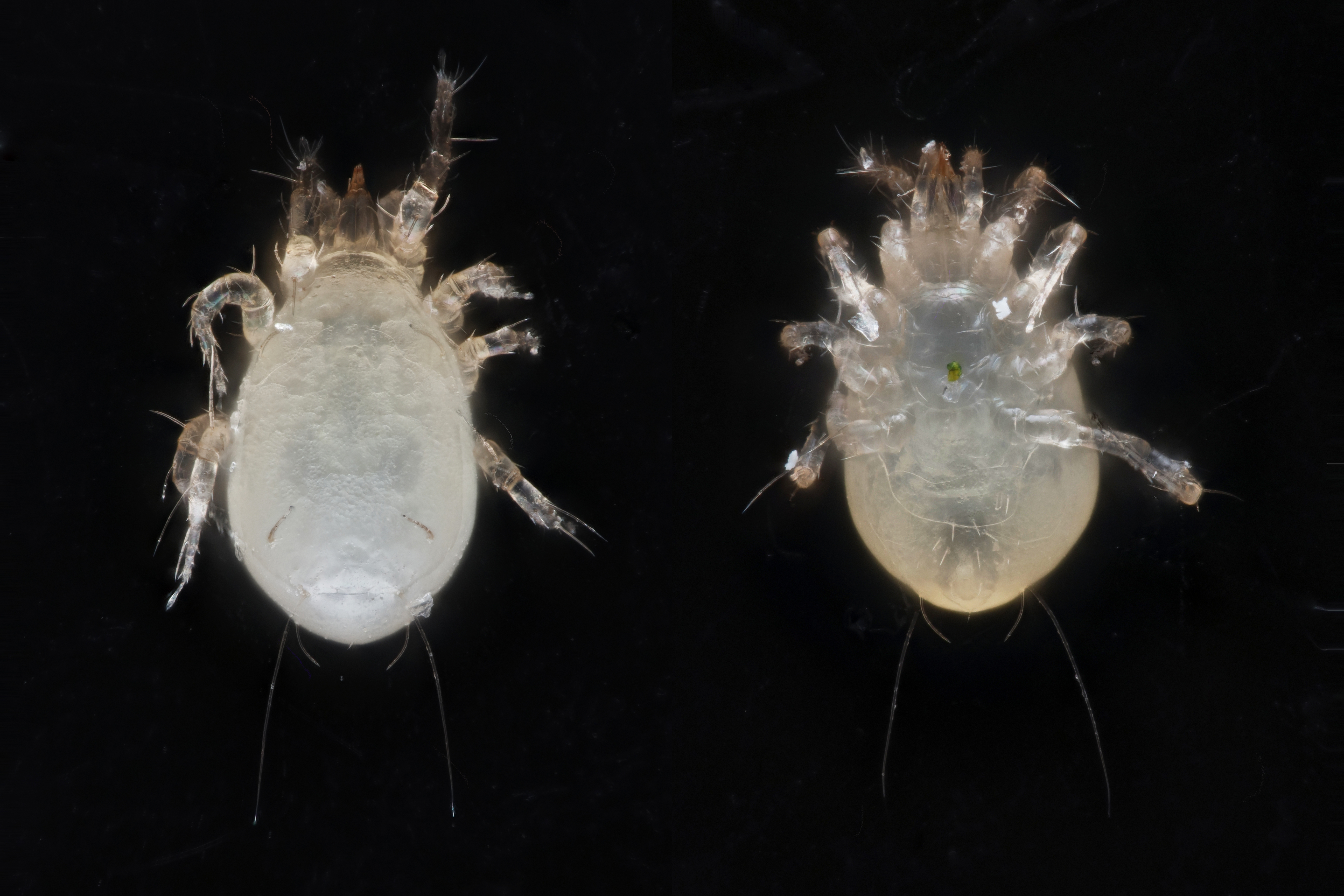
Amblyseius lentiginosus Denmark & Schicha, 1974 is a less know member of the family. It has been found in Australia and New Zealand.
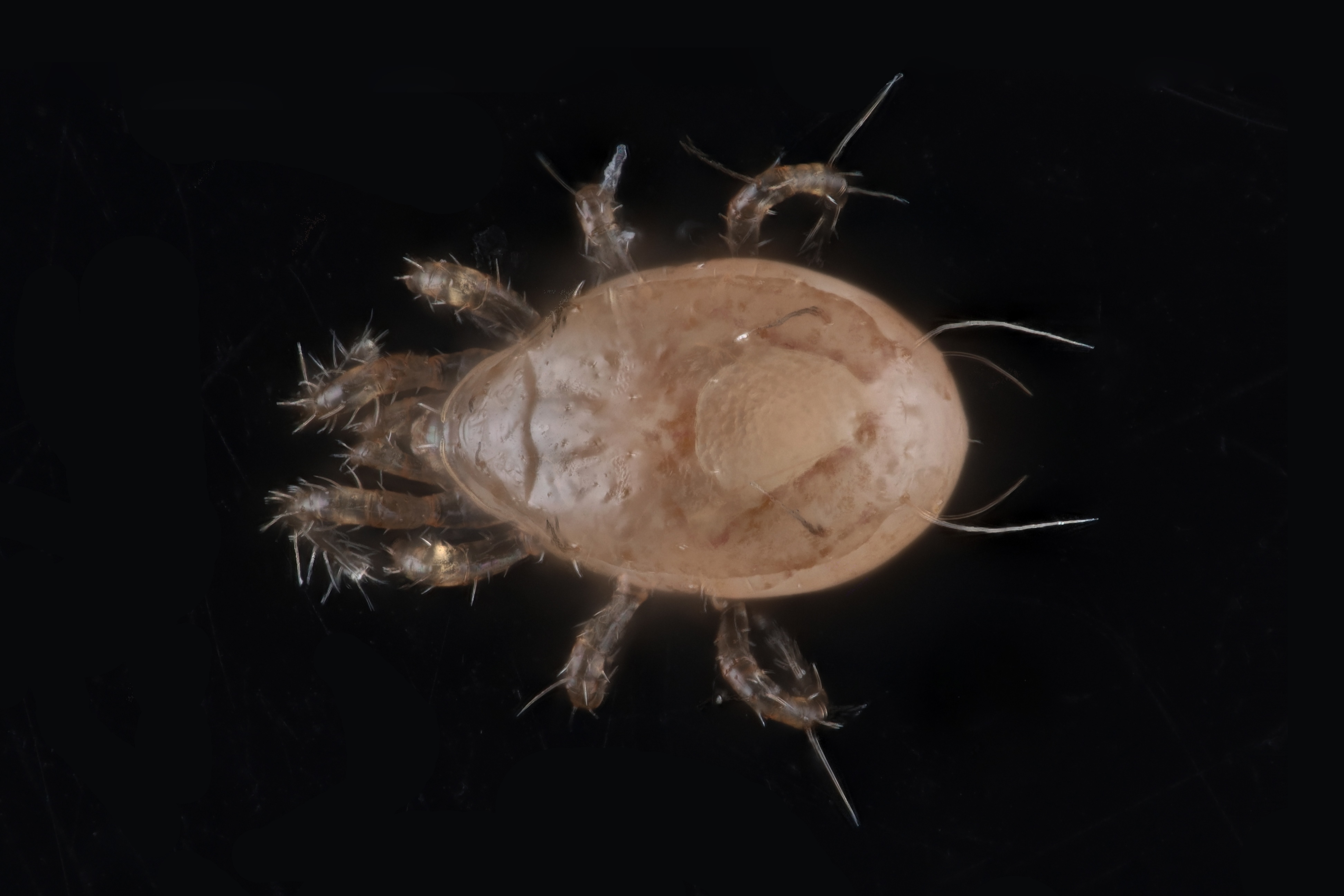
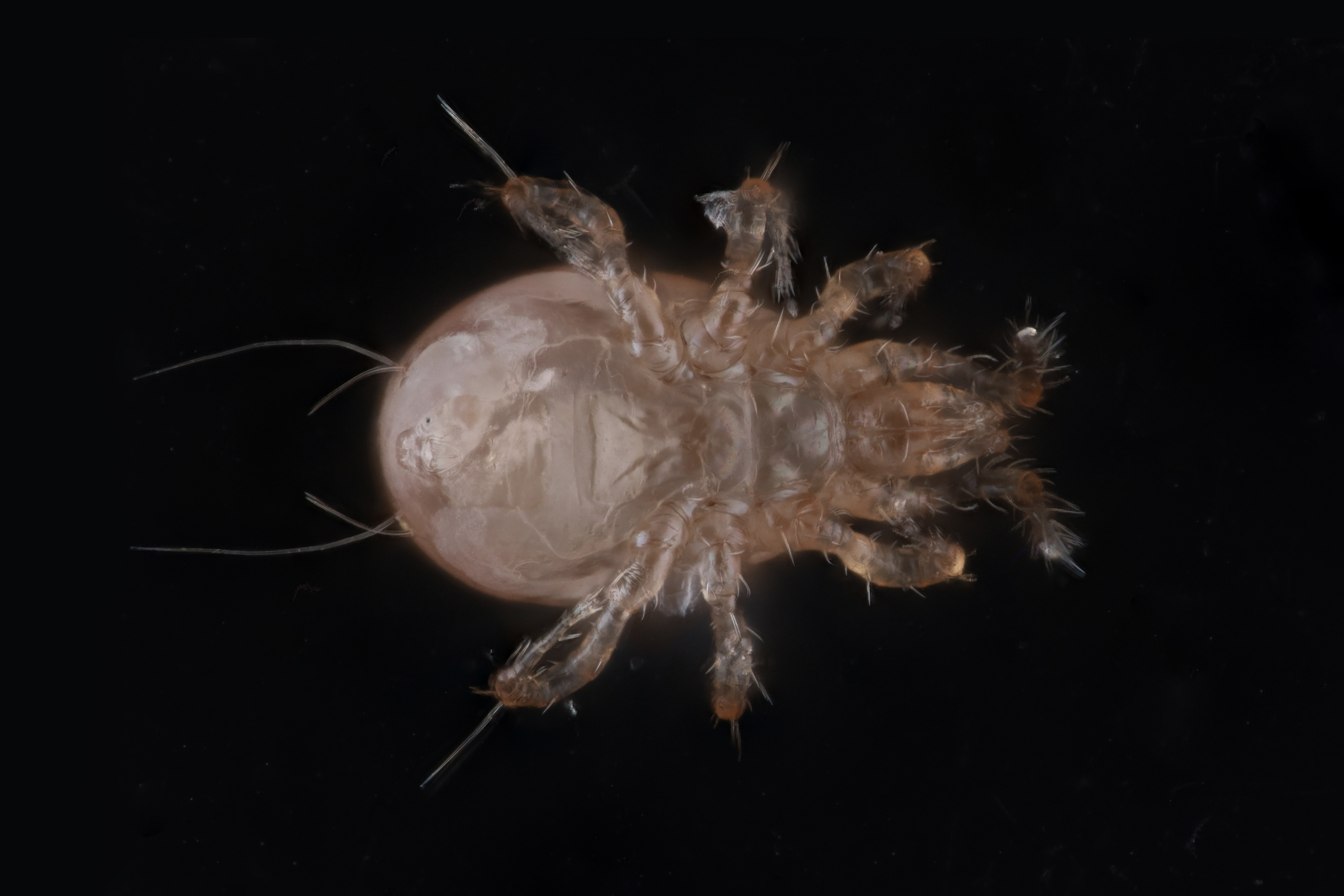
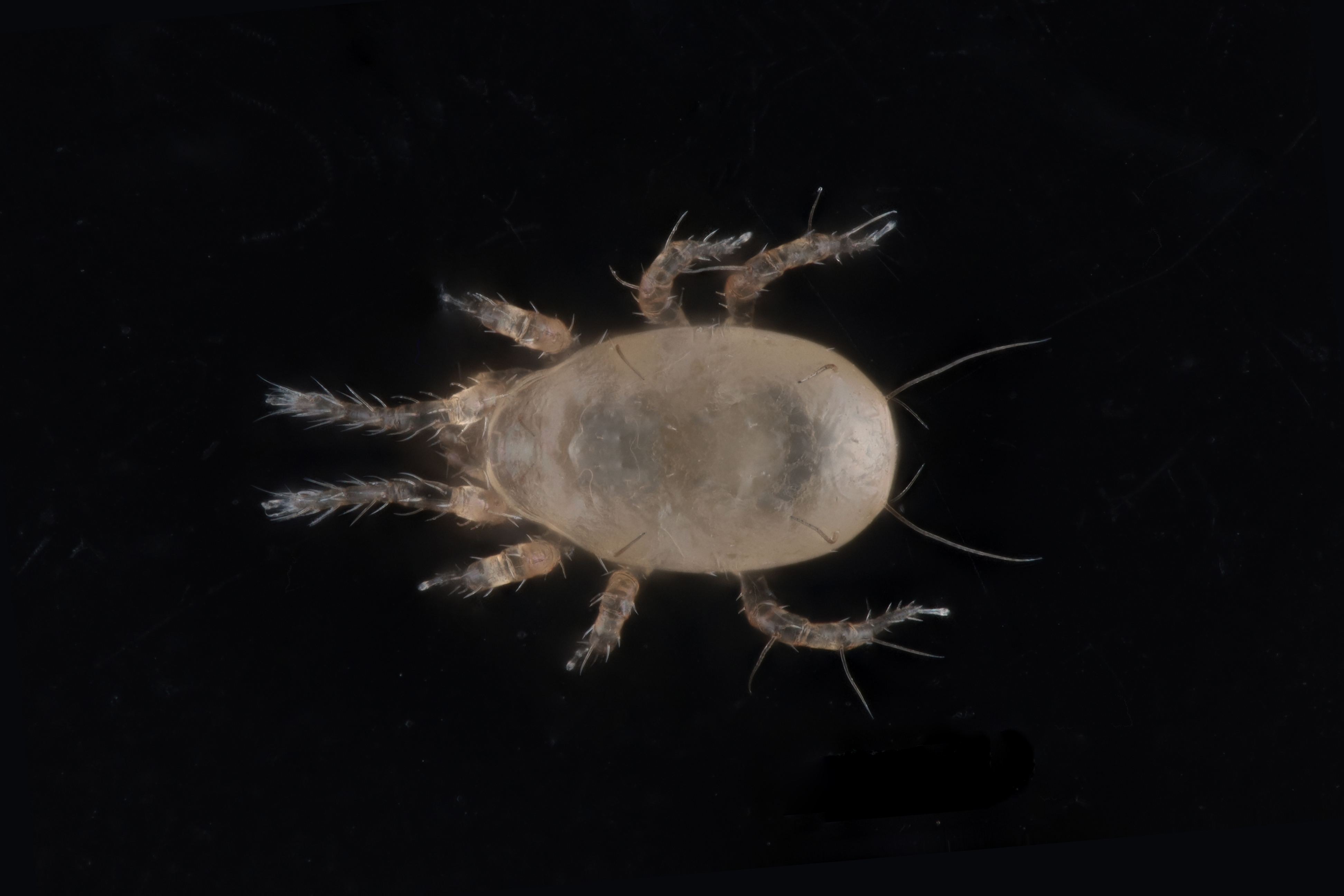
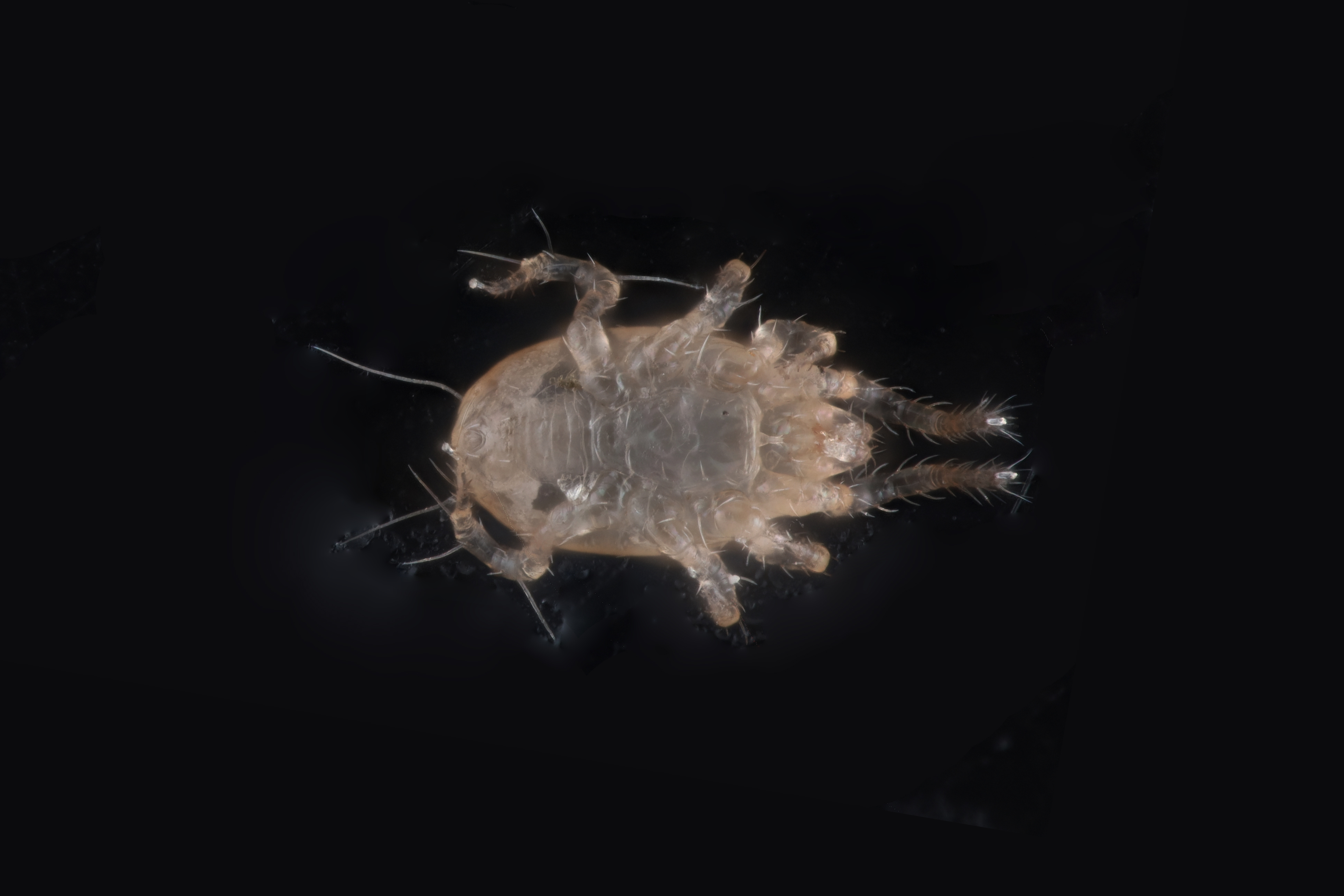
Neoseiulus californicus (McGregor, 1954) has a relatively broad food range but is particularly effective at preying on various spider mite species, including those that produce dense webbing. Its adaptability and tolerance to diverse environmental conditions make it a valuable predator in biological control programs.
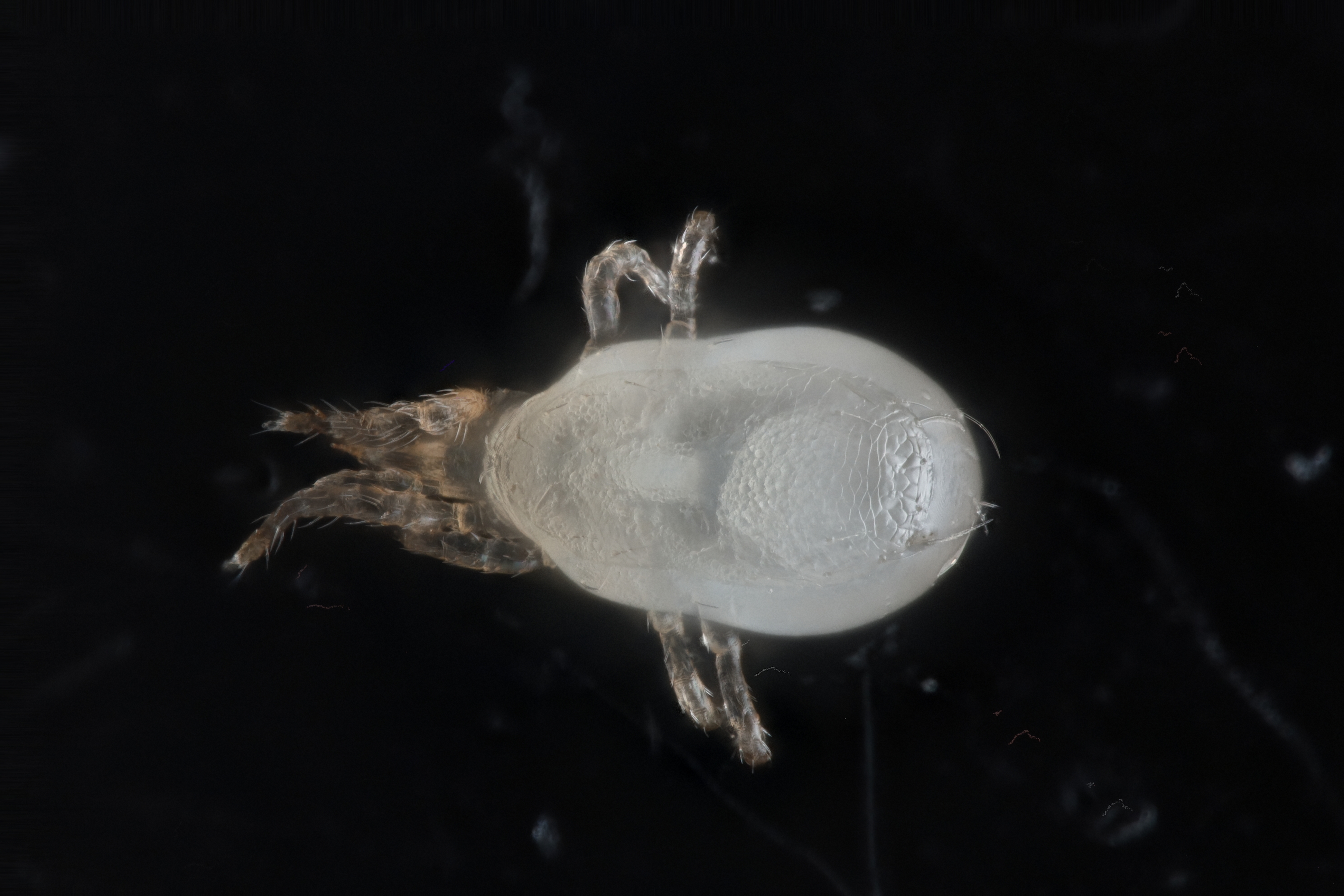
Neoseiulus cucumeris (Oudemans, 1930) is a predatory mite commonly used in biological control to manage small insect pests, particularly thrips, on various crops. Native to many regions, it thrives in warm, humid environments and is known for its effectiveness in greenhouse and field crops.
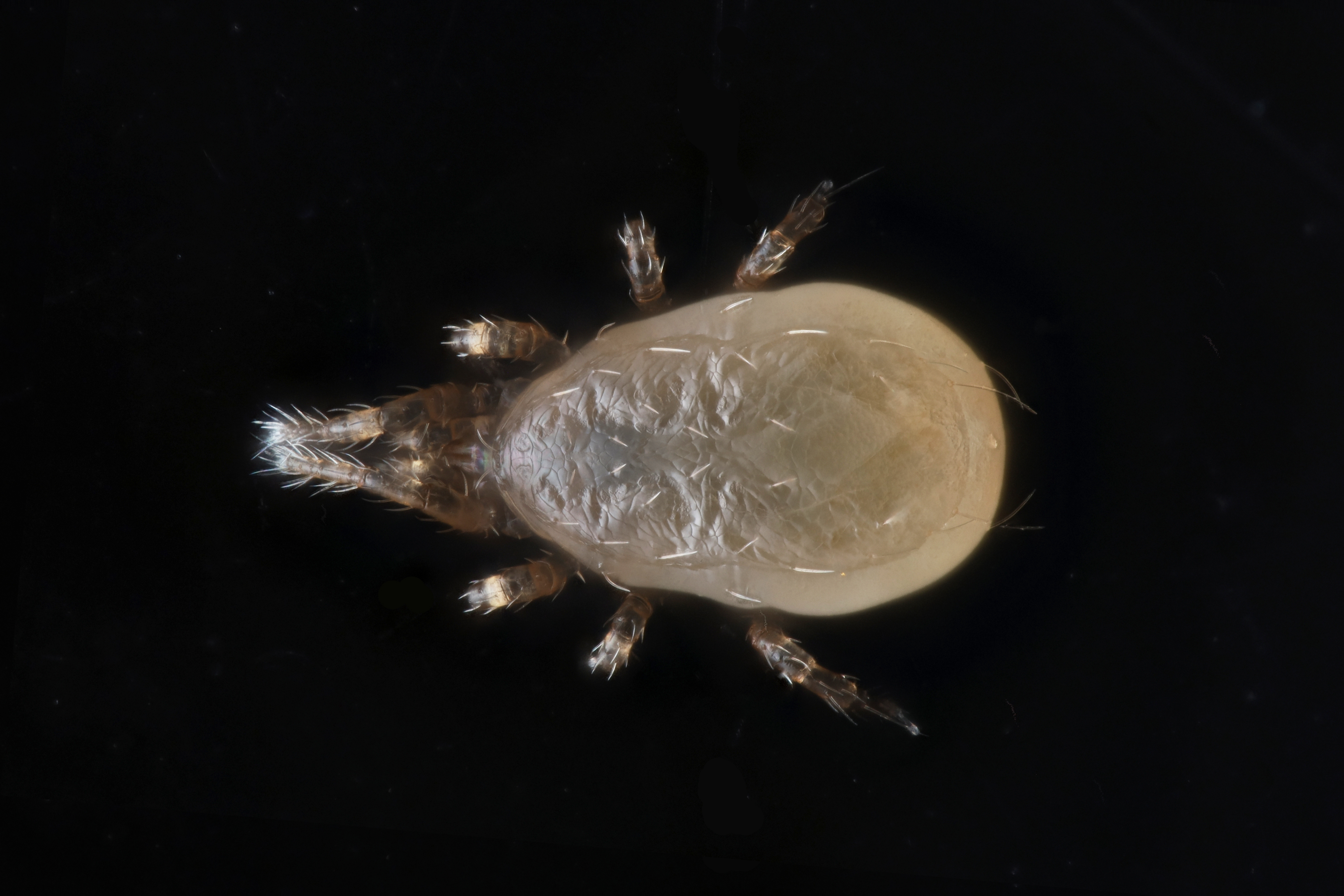
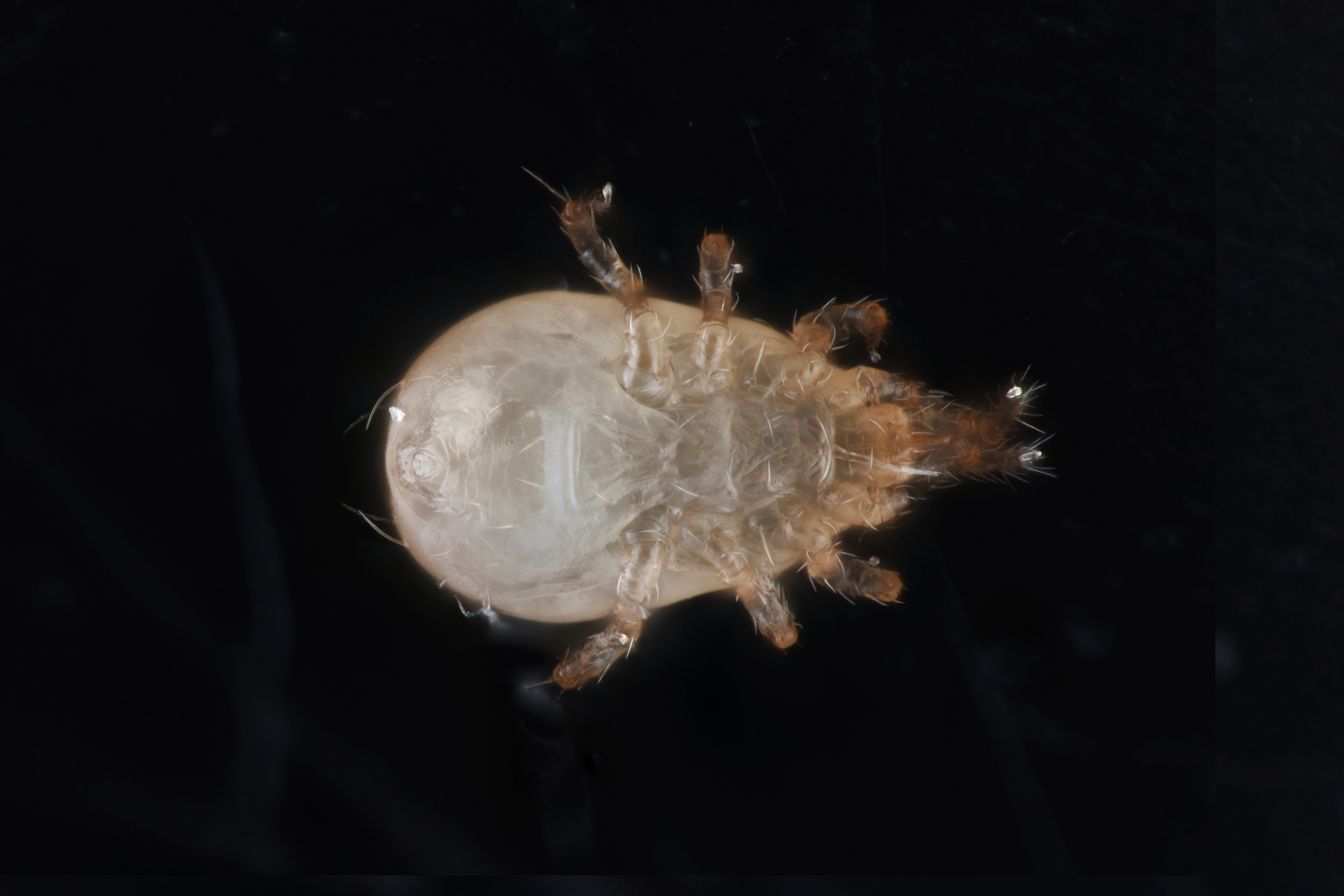

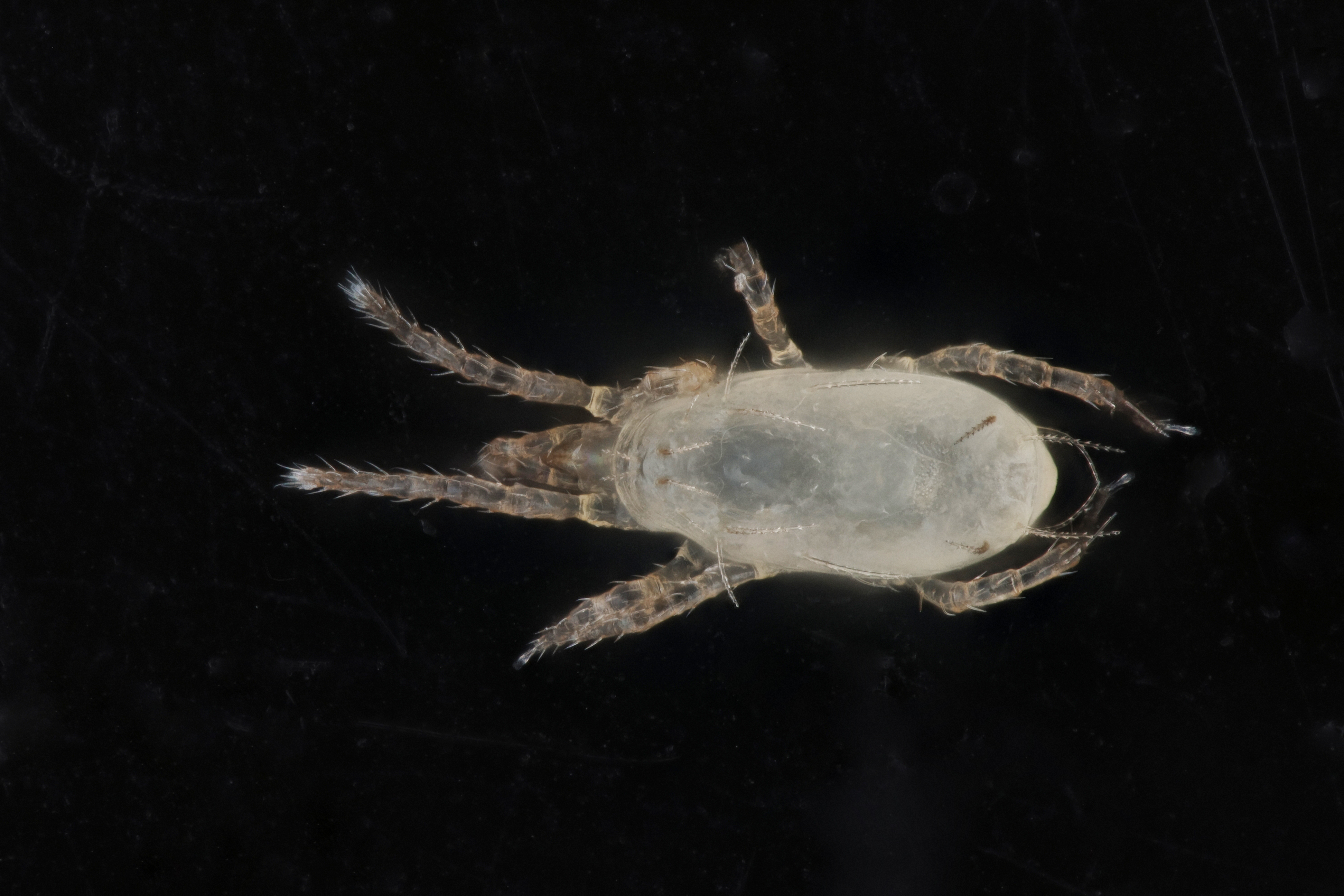
Phytoseius leaki Schicha, 1977, has been documented across various hairy-leaved plant species.
 miteykeshi.blog