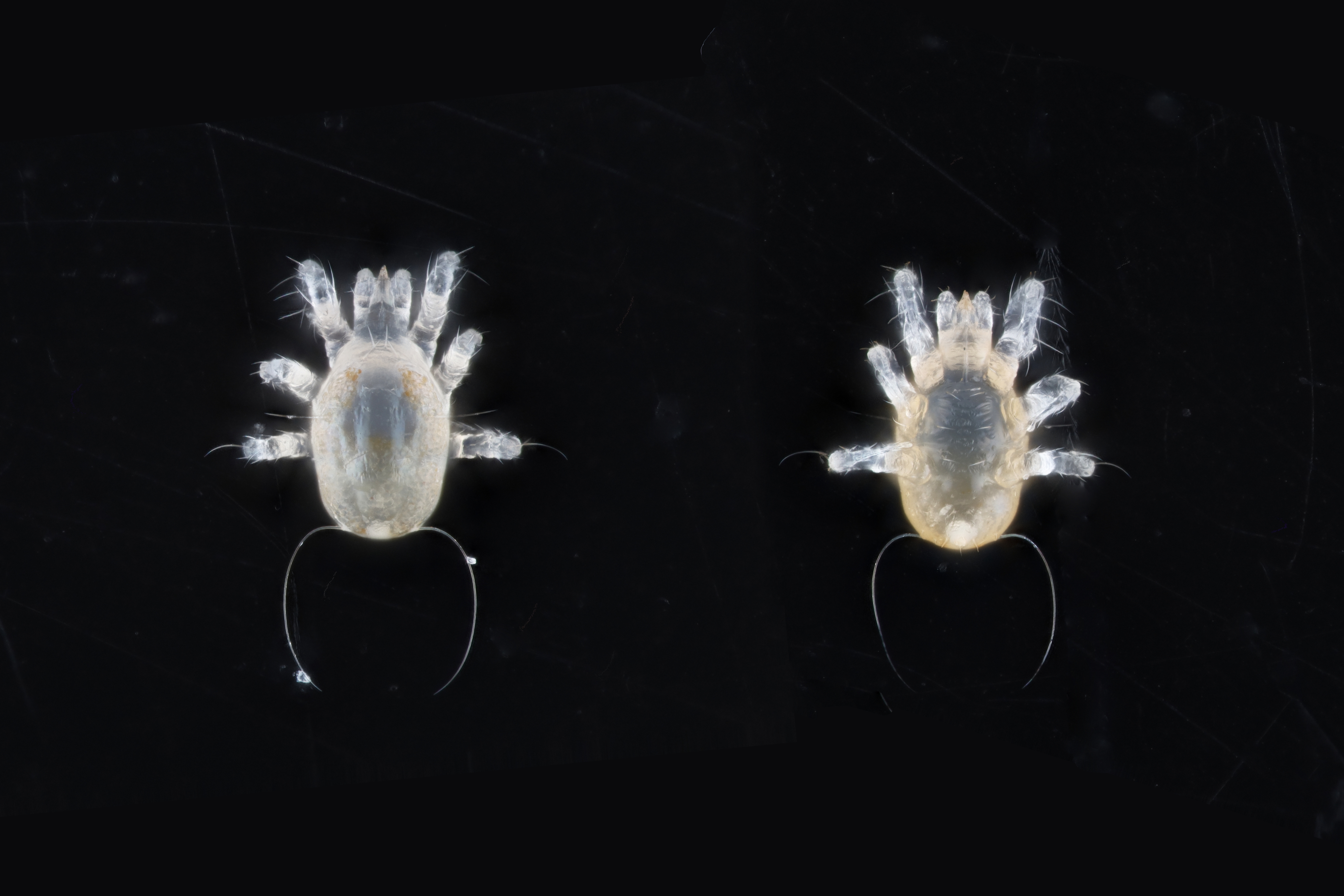
Amblyseius herbicolus (Chant) is a small predatory mite, commonly found in New Zealand and other parts of the world. These mites are pale in colour and measure between 0.2 and 0.5 mm in size, much like other members of their family, Phytoseiidae (Acari: Mesostigmata). What makes A. herbicolus unique is that females can reproduce without the need for males, a process known as thelytokous parthenogenesis. Females reach maturity and start laying eggs within a few days.

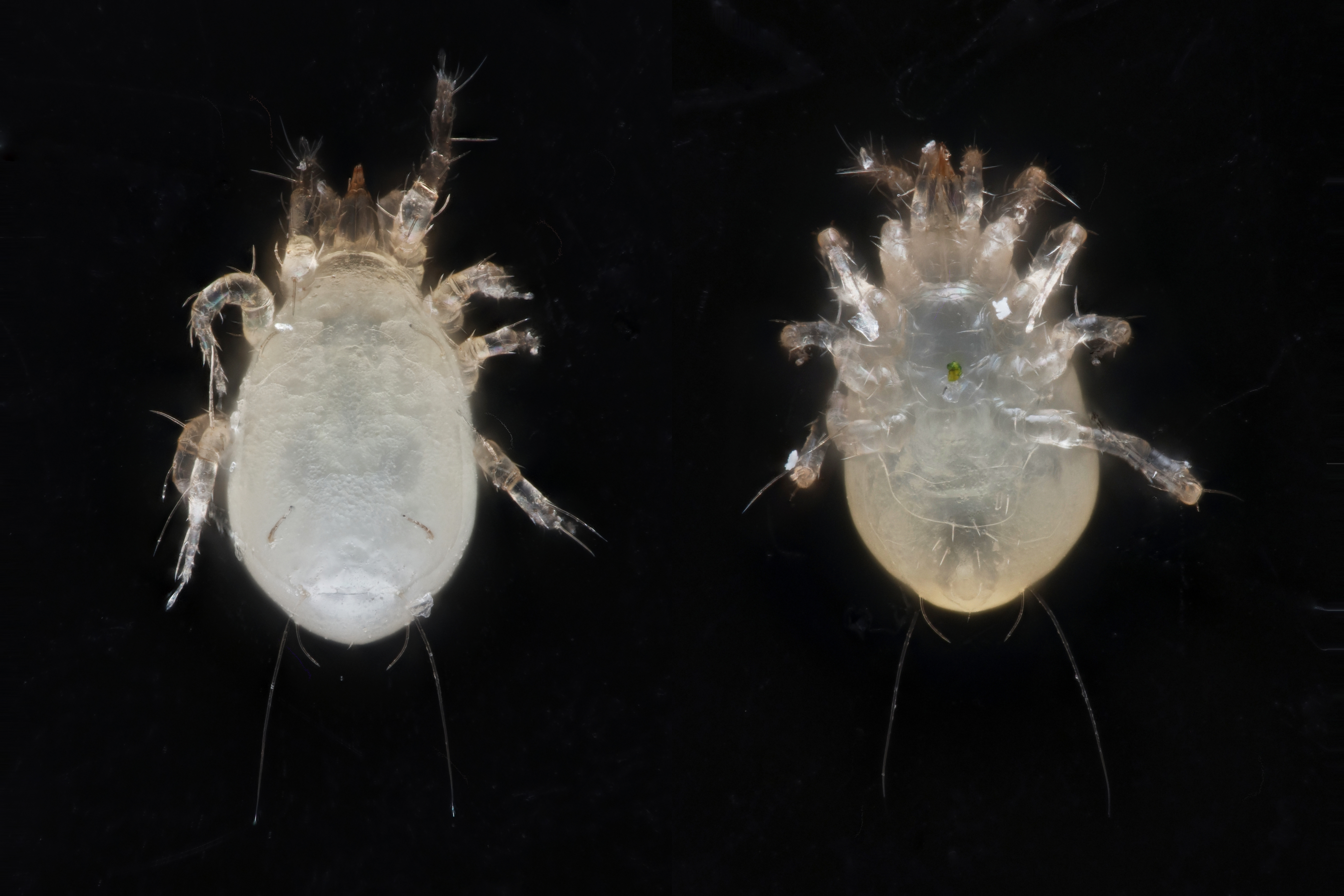
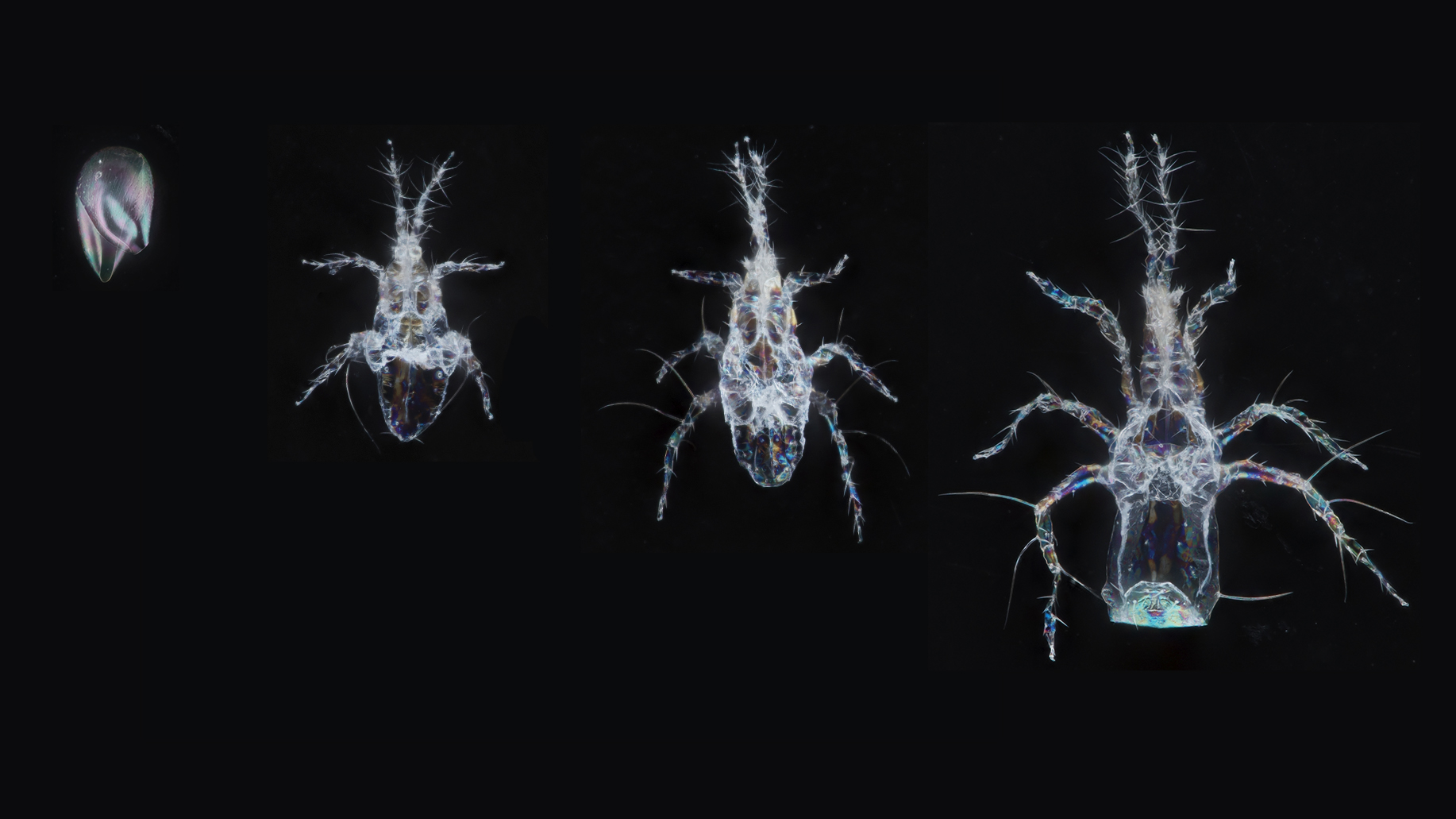
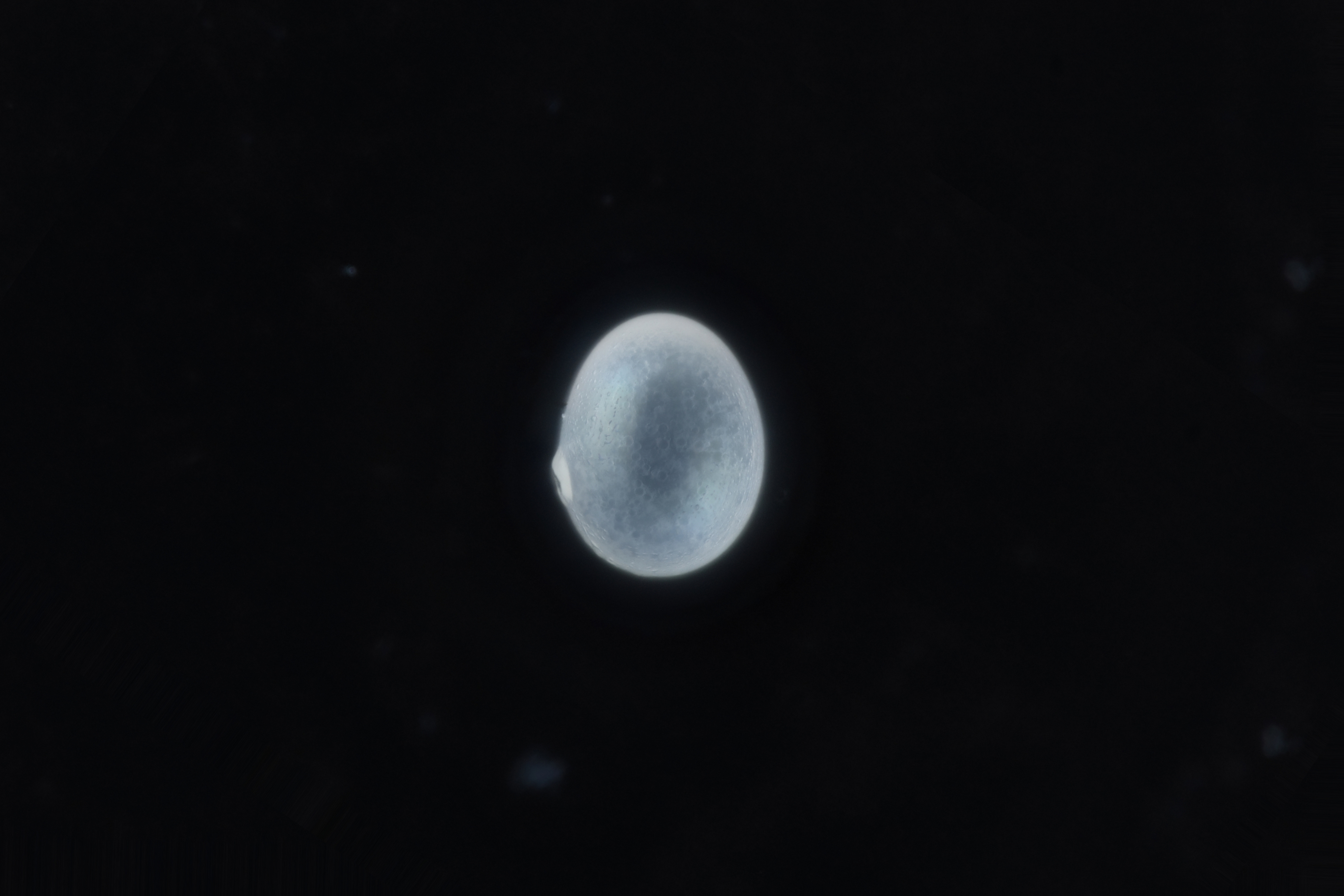
Like other mites in its family, A. herbicolus goes through five life stages: egg, larva, protonymph, deutonymph, and adult. Each stage is marked by a moulting process. In favourable conditions, this mite can develop from an egg to an adult in about 7 days, live for around a month, and lay over 30 eggs in a few weeks.
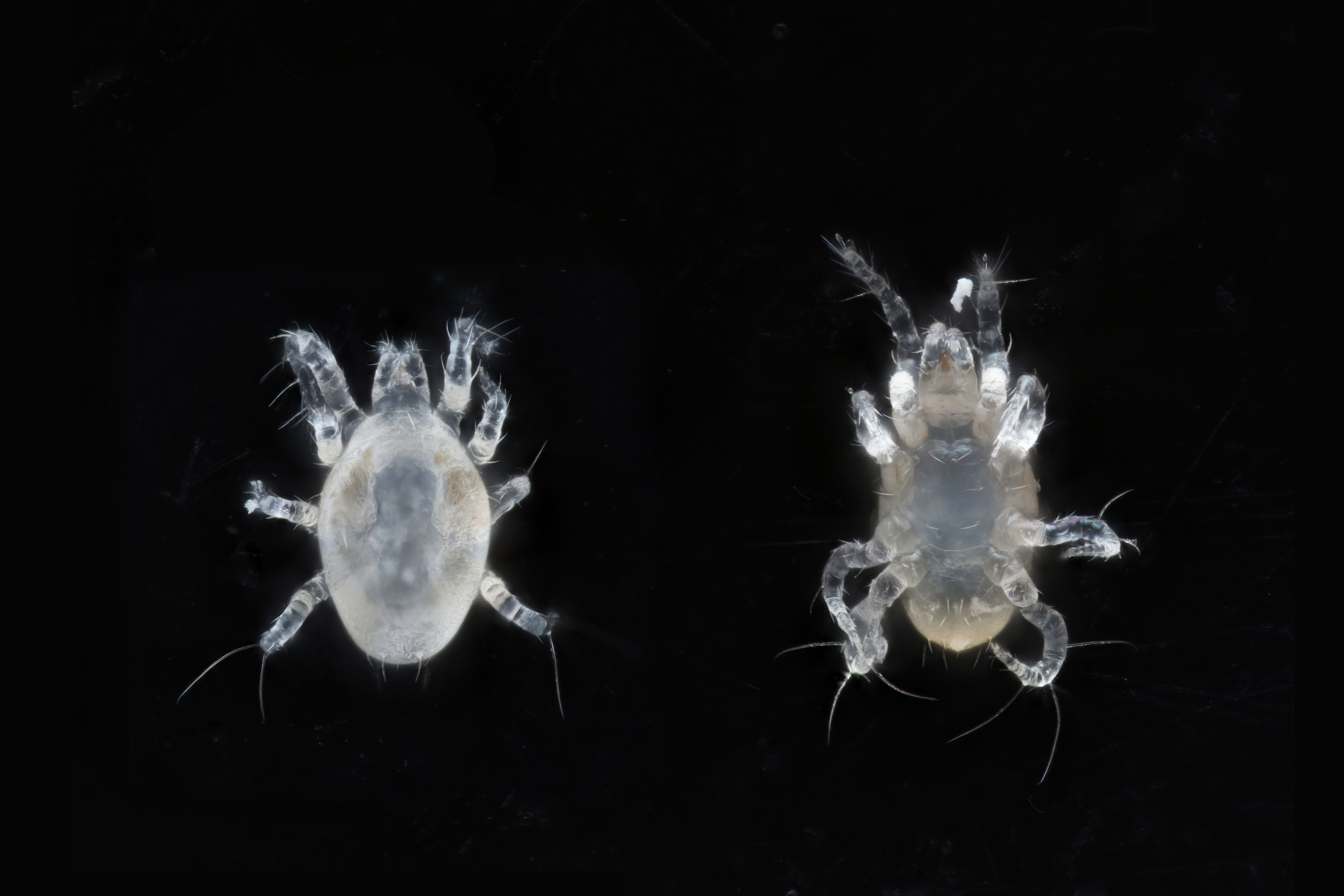
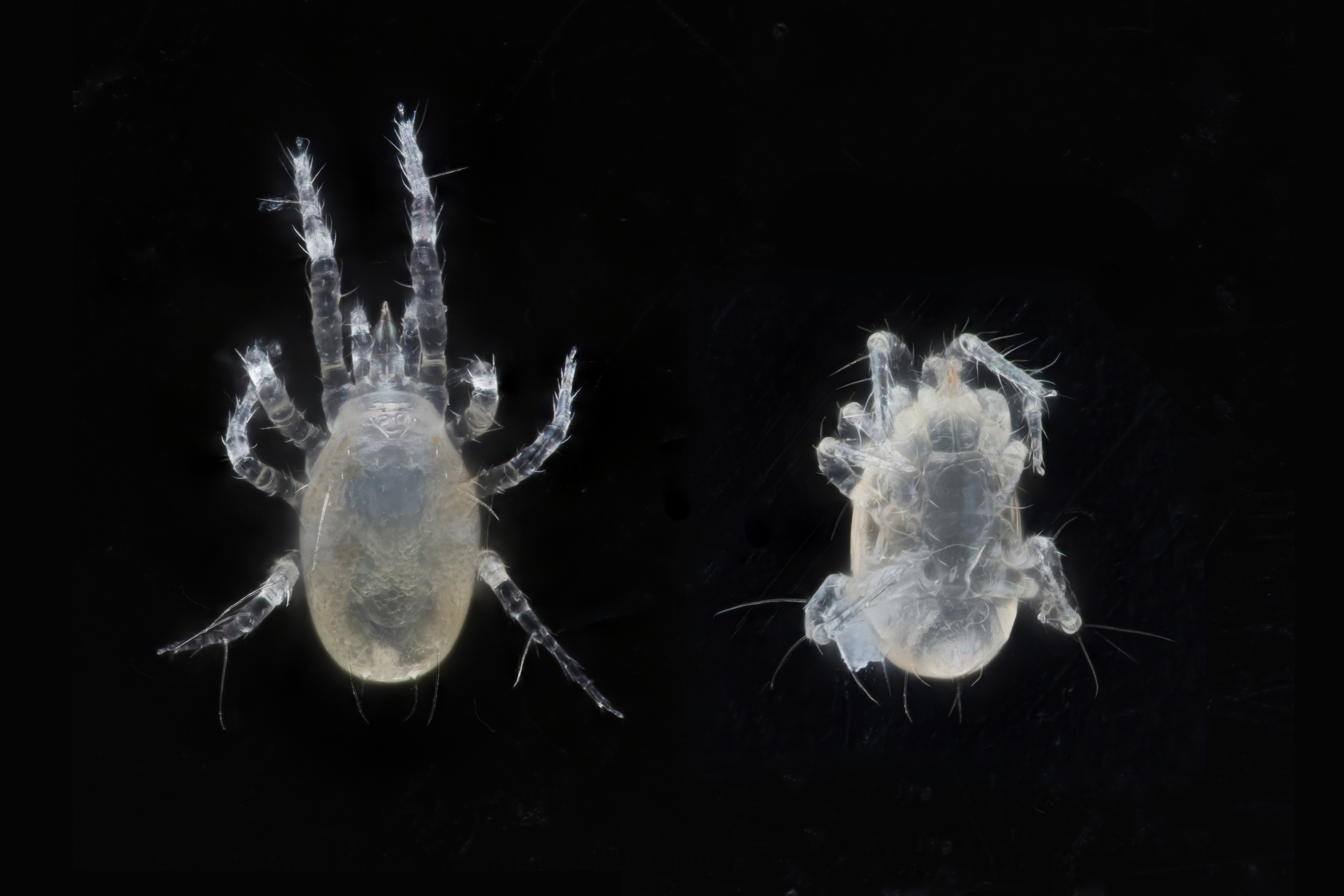
Amblyseius herbicolus is a generalist predator, meaning it can feed on a variety of food sources, including other mites, small insects, pollen, and plant material. However, it cannot survive in the dense webs created by some spider mites. Pollen, in particular, can sustain this mite’s development and boost its population growth. Amblyseius herbicolus can be found in various environments, including economically important plants like avocado, citrus, coffee, and chilli. It has also been observed on weeds such as gorse and cleavers, showcasing its adaptability across different habitats.

For more information on the biology of A. herbicolus:
For more information on the taxonomy of A. herbicolus:
 miteykeshi.blog